How to Set Up Surround Sound
Published How we research

Place the center channel at ear level below or above the screen for dialogue, with left and right fronts equidistant in a gentle arc. Add surround speakers to the sides and slightly behind (and above ear level) for 5.1, or add a rear pair for 7.1. Test the subwoofer in your seat, then crawl the room to find where bass sounds smoothest. Wire everything to matching channels with consistent polarity, then run the receiver's automatic calibration microphone routine to balance levels. Surround sound is what turns a big screen into an actual theater, and the good news is that setting it up is far less intimidating than it looks. The goal is simple: place speakers around the listening position so sound arrives from the correct direction, then let your receiver knit them together into one seamless bubble. Take it one speaker at a time and the whole system comes together in an afternoon.
Products from this article
The highest-scoring picks from the buying guides this article links to. Scores are our editorial assessment, not customer ratings.
+ 12 pairs of banana plugs make receiver connections quick
From our guide: Best Speaker Wire
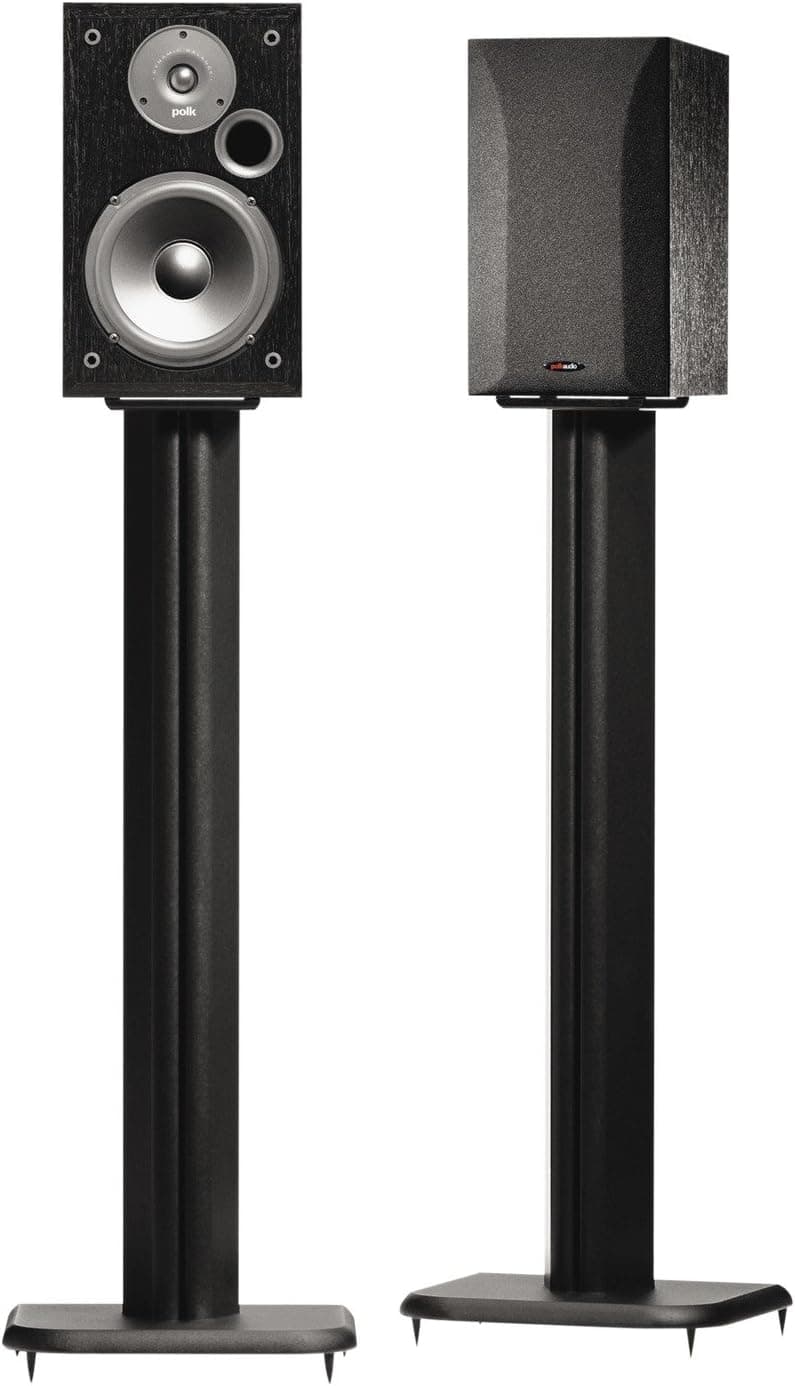
+ 31" height lifts bookshelf tweeters close to seated ear level
From our guide: Best Speaker Stands
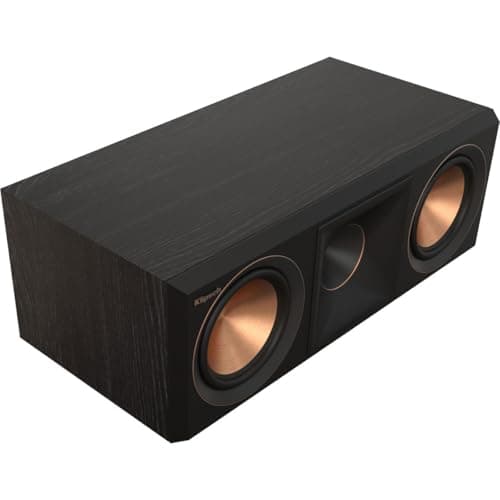
+ Larger 90 by 90 degree Tractrix horn is aimed at crisper, clearer dialogue, which is the main job of a center channel.
From our guide: Best Center Channel Speakers
+ Direct burial rating allows runs to garden and patio speakers
From our guide: Best Speaker Wire

Start from your listening spot: the center channel
Begin with your main listening spot, because everything is measured relative to where you sit. The center channel is the anchor, and it should sit directly below or above the screen, aimed at ear level. This speaker carries the majority of dialogue, so getting it centered and clear does more for intelligibility than almost anything else. Once the center is set, place your front left and right speakers an equal distance out from it, forming a gentle arc so they angle slightly toward your seat.
Surround speakers handle ambience and effects
Next come the surround speakers, which handle ambience and effects that move around you. In a standard 5.1 layout, these sit to the sides and slightly behind your seating, ideally a bit above ear level so the sound feels enveloping rather than pinned to one spot. If you are stepping up to a 7.1 system, you add a pair of rear speakers directly behind the listener to fill in the space between the side surrounds. Keep left and right sides symmetrical so the soundstage stays balanced.
The subwoofer: your low-frequency muscle
The subwoofer is your low-frequency muscle, and because deep bass is hard for our ears to locate, you have some freedom in placement. Corners tend to boost output but can make bass boomy, so try the subwoofer along a front wall first, then experiment. A classic trick is to temporarily set the subwoofer in your listening chair, play a bass-heavy scene, and crawl around the floor to hear where the bass sounds smoothest. Put the subwoofer where your ears were happiest.
Wiring: channels and polarity
With speakers positioned, run your wiring cleanly and connect everything to the receiver, matching each cable to its labeled channel and keeping the positive and negative terminals consistent. A single flipped wire causes speakers to fight each other and thins out the sound, so double-check polarity as you go. Route cables along baseboards or under rugs for a tidy look, and leave a little slack at each speaker so you can reposition later without restringing anything.
Calibration: let the receiver do the heavy lifting
The final step is calibration, and this is where modern receivers do the heavy lifting. Most include an automatic setup routine with a small microphone you place at your seat. The receiver sends test tones, measures the distance and volume of each speaker, and adjusts levels so everything arrives balanced at your ears. Run it, then trust your own listening and nudge the subwoofer level or center channel up or down to taste. Play a familiar movie, enjoy the result, and remember you can always refine placement over time as you learn how your room behaves.
Frequently asked questions
Where should surround speakers go for 5.1? To the sides and slightly behind the main seating, ideally a bit above ear level, so ambience feels enveloping rather than pinned to one spot.
How do I find the best subwoofer placement? Temporarily put the subwoofer in your listening seat, play a bass-heavy scene, and crawl around the floor until you find where the bass sounds smoothest. Put the subwoofer there.
Why does my surround sound thin and weak? A flipped speaker wire is a common cause: mismatched polarity makes speakers fight each other. Double-check positive and negative terminals on every connection.
Do I need to run receiver calibration after setting up speakers? Yes. The automatic setup routine measures each speaker's distance and volume with a microphone at your seat and balances levels so everything arrives evenly, which is hard to match by ear alone.
Popular right now
- Best 4K Blu-ray PlayersBuying guide
- Best Soundbar Wall MountsBuying guide
- Best 4K ProjectorsBuying guide
- Best Dolby Atmos SpeakersBuying guide
- How to Stop a Subwoofer From Humming or BuzzingArticle
- Best In-Ceiling SpeakersBuying guide
Based on the last 28 days of search and visitor data.