Projector vs TV for Home Theater
Published How we research
A TV wins on light control, instant-on convenience, and mixed daytime viewing; it stays punchy in bright rooms and needs no lamp replacement. A projector wins on scale, delivering a 100 to 120-inch cinematic image for a fraction of the cost of a similarly sized TV, but needs a darkened room to look its best. Be honest about your lighting, viewing distance, and habits: mixed daytime use favours a TV, a dedicated dim-the-lights movie space favours a projector, and many enthusiasts eventually own both. If you are building a home theater, the first big fork in the road is choosing between a projector and a large television. Both can deliver a wonderful movie night, but they solve the problem in very different ways. A TV is a self-contained, always-ready screen that looks great in almost any lighting. A projector paints a much larger image onto a wall or screen, but it asks more of your room in return. Understanding those trade-offs early will save you money and prevent buyer's remorse later.
Products from this article
The highest-scoring picks from the buying guides this article links to. Scores are our editorial assessment, not customer ratings.
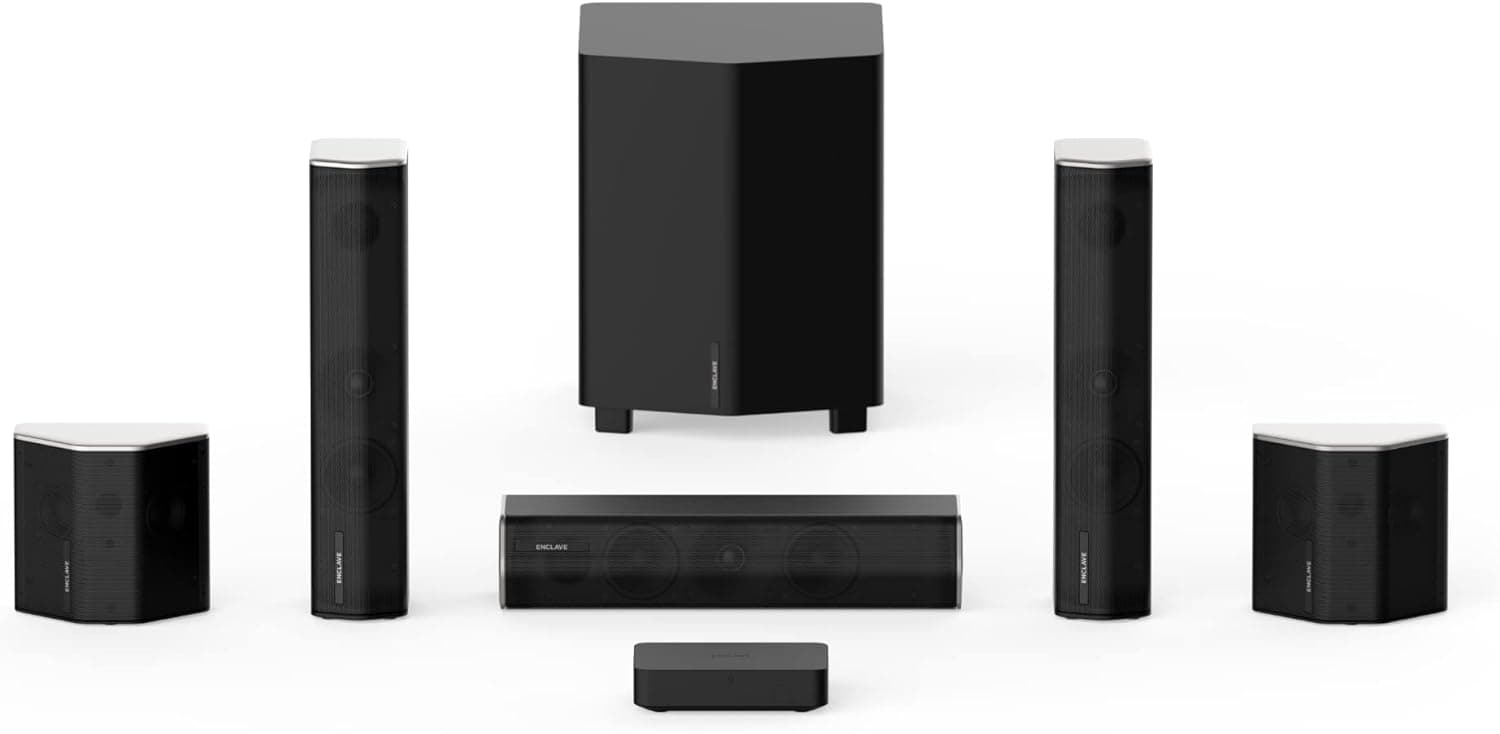
+ THX certification signals reference-level cinema tuning
From our guide: Best Surround Sound Systems
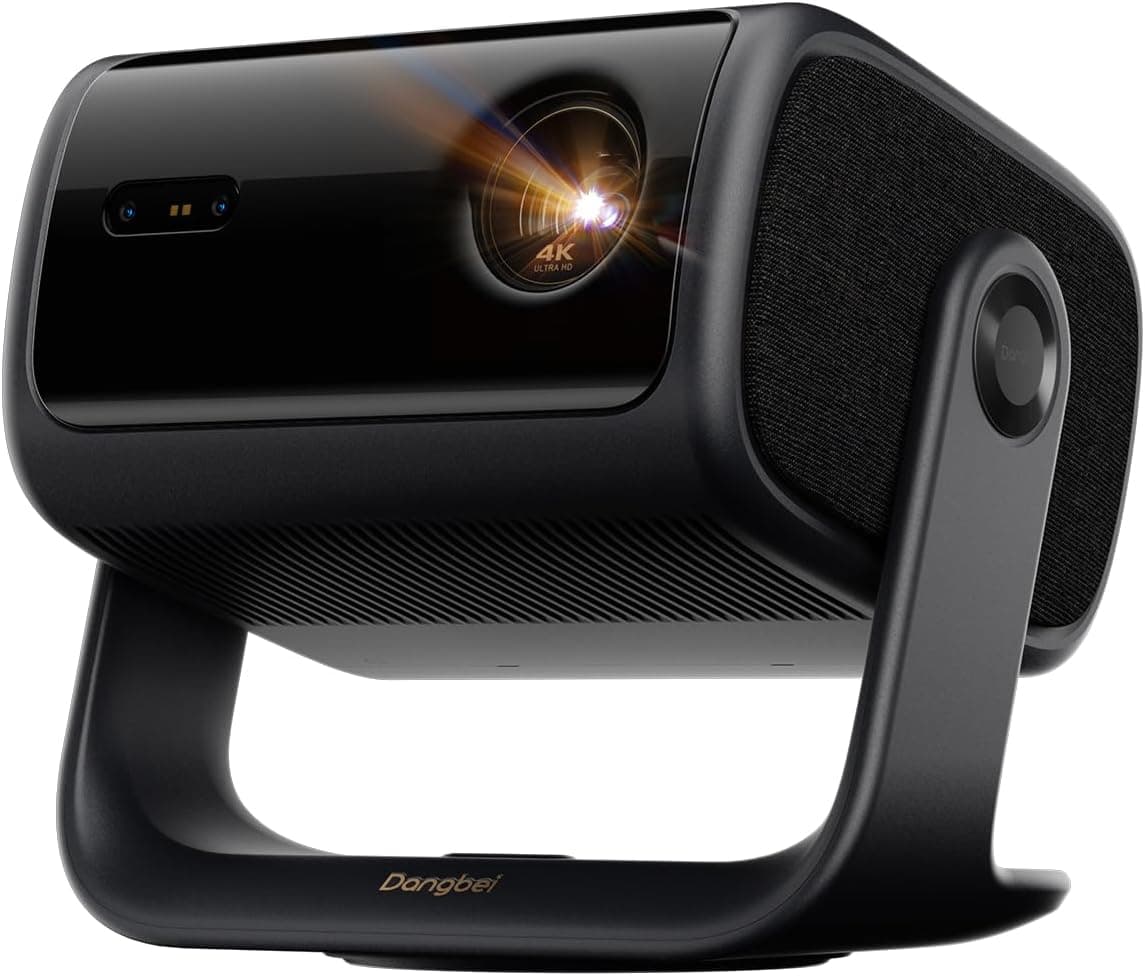
+ Triple laser light gives very wide color, listed at 110% BT.2020
From our guide: Best 4K Projectors
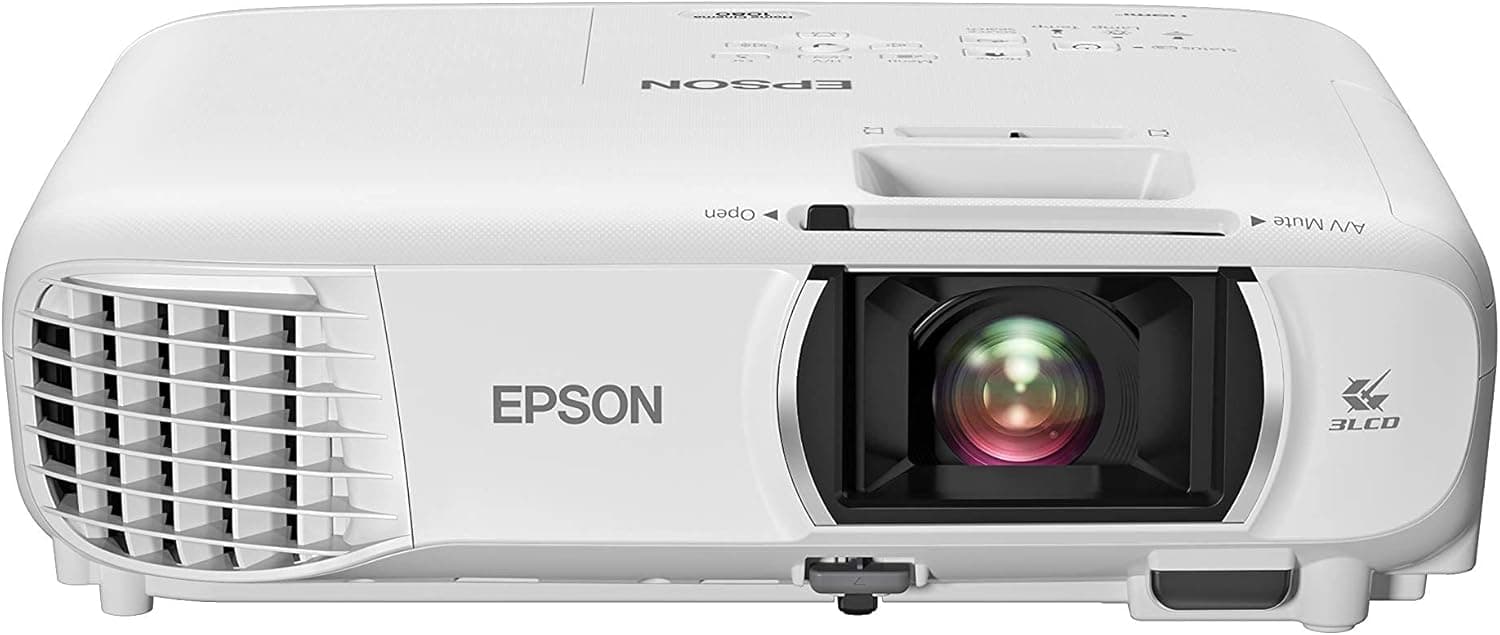
+ 3LCD design shows equal color and white brightness with no rainbow effect
From our guide: Best Projectors
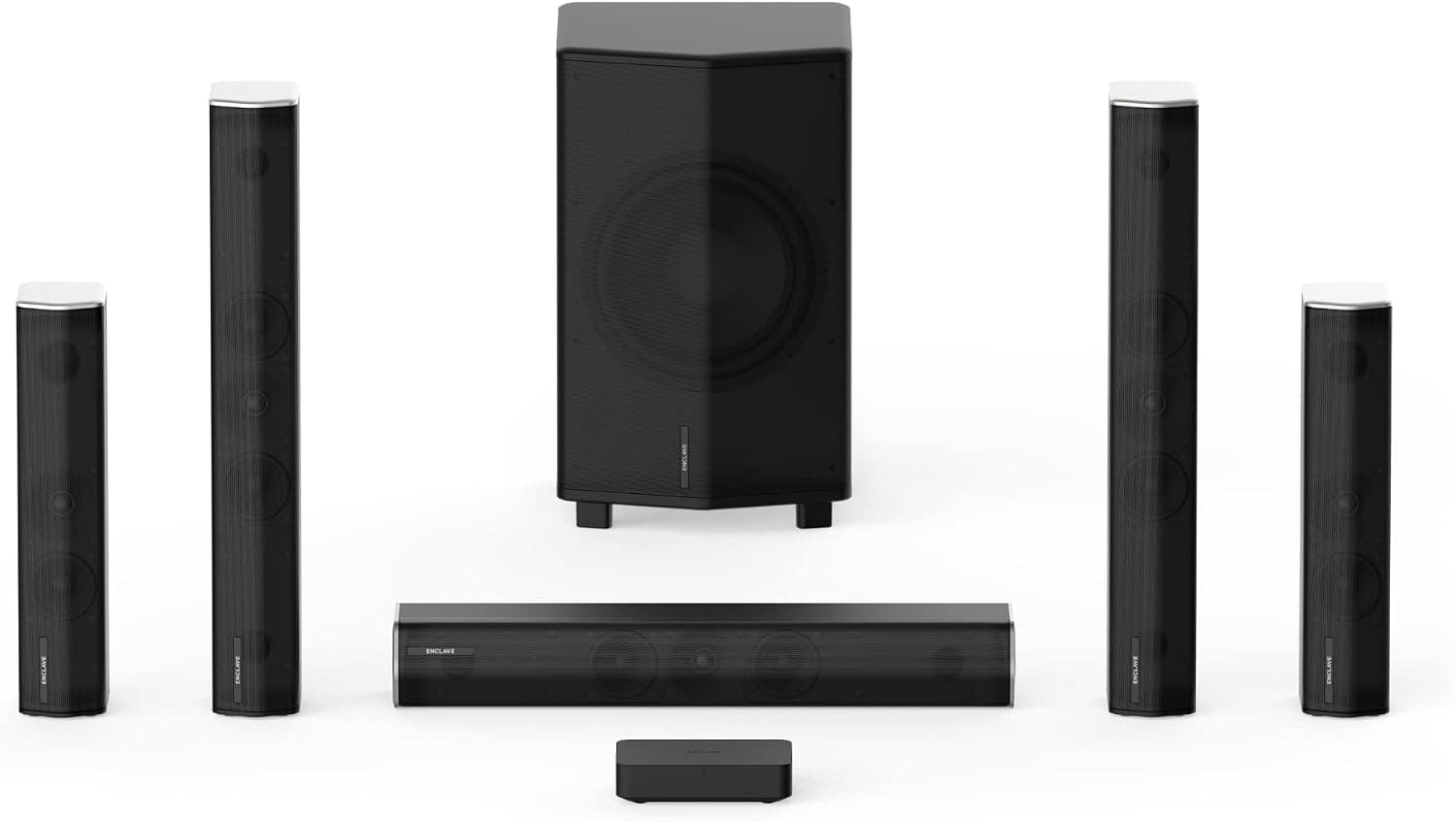
+ WiSA certified wireless audio cuts long speaker wire runs
From our guide: Best Surround Sound Systems
Light control shapes everything else
Start with light control, because it shapes everything else. Projectors work by throwing light across the room, so any competing light from windows or lamps washes out the picture and mutes contrast. If your space has big windows and you cannot darken it, a TV is the safer choice since modern panels stay punchy even in a bright living room. If you can control the light, whether with blackout curtains or a dedicated basement room, a projector suddenly becomes very appealing because it can fill a wall with a cinematic image.
Screen size is where projectors earn their keep
Screen size is where projectors shine and where they earn their keep. Getting a truly large TV, in the 85-inch range and beyond, gets expensive fast and the sets grow heavy and hard to move. A projector paired with a good screen can produce a 100-inch or 120-inch picture for a fraction of the cost of a comparably sized panel. That sheer scale is the emotional hook of a home theater, the feeling that the movie is wrapping around you rather than sitting politely in the corner.
Everyday convenience tilts toward the TV
Everyday convenience tilts back toward the television. A TV turns on instantly, handles bright rooms, and never needs a replacement lamp or laser module down the line. Projectors involve a bit more ceremony, from focusing and aligning the image to occasionally dimming the room. Some people love that ritual because it signals the start of a proper viewing session. Others just want to sit down and press play, and for them the TV wins on simplicity almost every time.
Think about how you actually watch
Think about how you actually watch, not just how you imagine watching. If most of your screen time is news, sports during the day, and casual streaming, a TV serves that mixed diet beautifully. If your dream is a dedicated space where you dim the lights for feature films a few nights a week, a projector rewards that intention with an experience a flat panel struggles to match. Many enthusiasts eventually own both, using a TV for daily viewing and a projector for event nights.
There is no universally correct answer
There is no universally correct answer, only the right answer for your room, your budget, and your habits. Be honest about your lighting, measure your viewing distance, and picture the content you watch most. Nail those three things and the decision usually makes itself. Whichever path you choose, pair the display with good seating and sound, because the screen is only one part of what makes a home theater feel special.
Frequently asked questions
Should I get a projector or a TV for a home theater? A TV if your room is bright and you watch a mix of daytime content; a projector if you can control the light and want a large, cinematic image for movie nights.
Is a projector cheaper than a big TV? For very large screen sizes, yes. A projector paired with a screen can produce a 100 to 120-inch picture for a fraction of the cost of a comparably sized television panel.
Does a projector work in a bright room? Poorly. Competing light from windows or lamps washes out the picture and mutes contrast, so a TV is the safer choice if you cannot darken the room.
Can I own both a TV and a projector? Yes, and many enthusiasts do, using the TV for daily mixed viewing and the projector for dedicated movie nights.
At a glance: Projector vs TV
| Projector | TV | |
|---|---|---|
| Image size | 100 inches and up is practical | Most models top out around 85-100 inches |
| Brightness | Needs light control | Bright enough for daylight |
| Contrast | Depends heavily on room darkness | Strong, especially OLED |
| Setup | Mount, screen, throw distance | Stand or wall mount |
| Cost per inch | Low at large sizes | Rises quickly past 75 inches |
| Everyday use | Best for movie nights | Great for daily TV and gaming |
Choose Projector if
- You have a room you can darken
- You want a truly cinema-sized image
- The screen is mainly for movies and sports events
Choose TV if
- The room gets daylight
- You watch TV every day
- You want simple setup and top contrast
Bottom line: For a dedicated dark room a projector delivers an experience a TV cannot match for the price. For a bright living room used every day, a large TV is the better choice.
Quick answers
Is a projector or TV better for a home theater?
In a dark, dedicated room a projector gives a much bigger image for the money. In a bright living room used daily, a large TV looks brighter and more consistent.
Popular right now
- Best 4K Blu-ray PlayersBuying guide
- Best Soundbar Wall MountsBuying guide
- Best 4K ProjectorsBuying guide
- Best Dolby Atmos SpeakersBuying guide
- How to Stop a Subwoofer From Humming or BuzzingArticle
- Best In-Ceiling SpeakersBuying guide
Based on the last 28 days of search and visitor data.