Home Theater Seating Guide
Published How we research
Seating is the part of a home theater you feel with your whole body, yet it is often an afterthought once the screen and speakers are chosen. Getting it right does more for enjoyment than another expensive gadget, because comfort and clear sight lines are what let you sink into a film for two hours without fidgeting. A little planning around distance, spacing, and elevation turns an ordinary couch into a proper theater experience.
Products from this article
The highest-scoring picks from the buying guides this article links to. Scores are our editorial assessment, not customer ratings.
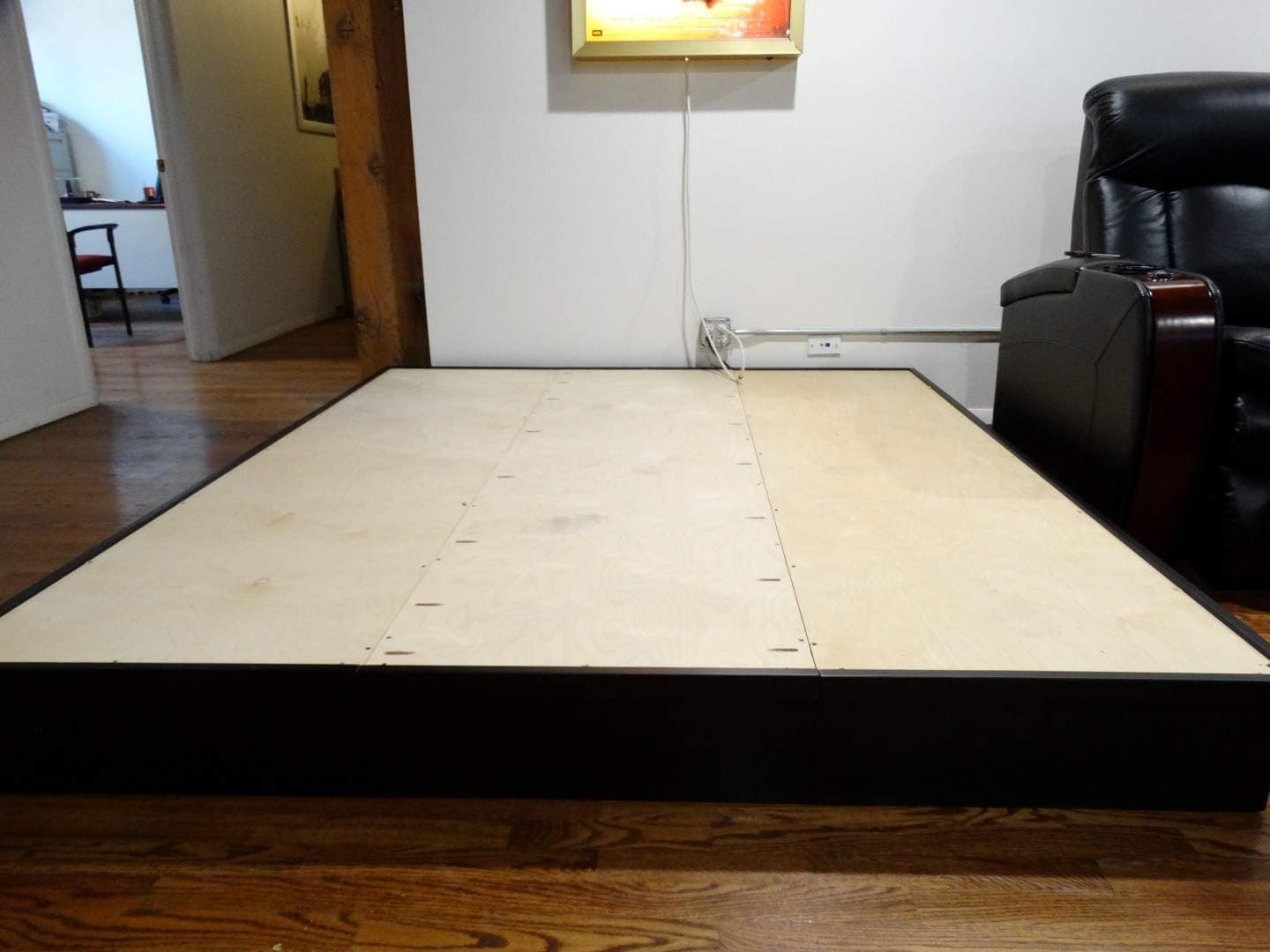
+ Built-in 7in riser lifts the row without a separate platform
From our guide: Best Theater Seat Risers
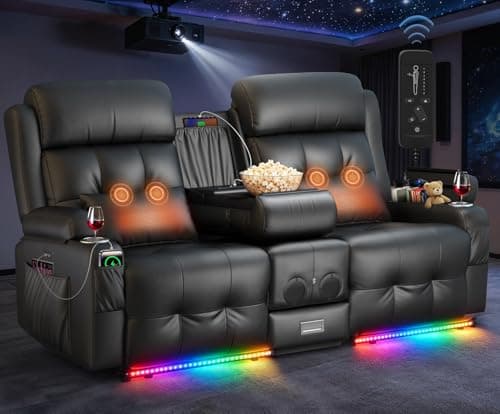
+ Flip-down middle backrest converts the loveseat into a 3-seater, and the console has a built-in power strip.
From our guide: Best Home Theater Seating
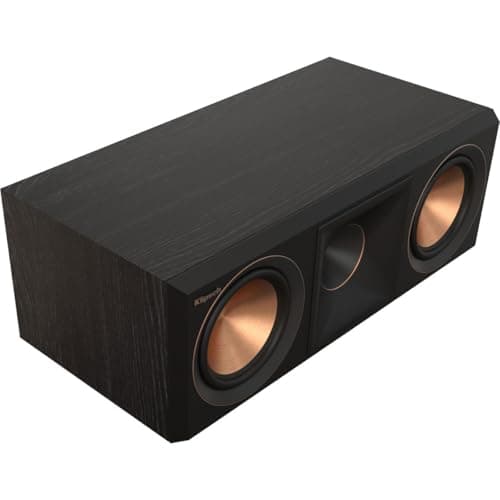
+ Larger 90 by 90 degree Tractrix horn is aimed at crisper, clearer dialogue, which is the main job of a center channel.
From our guide: Best Center Channel Speakers
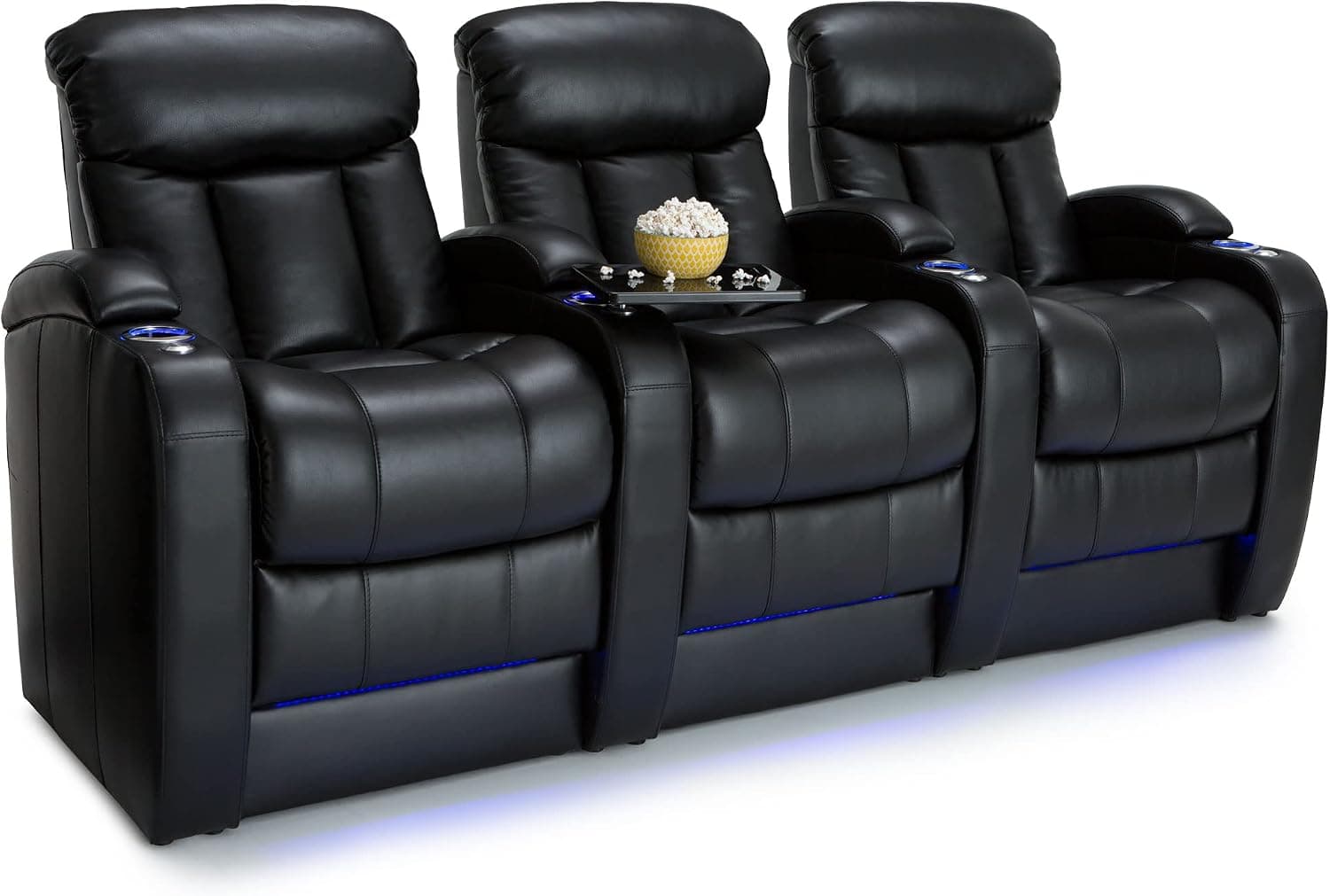
+ Integrated riser lifts the seats for a clearer sight line over the row in front.
From our guide: Best Theater Seat Risers
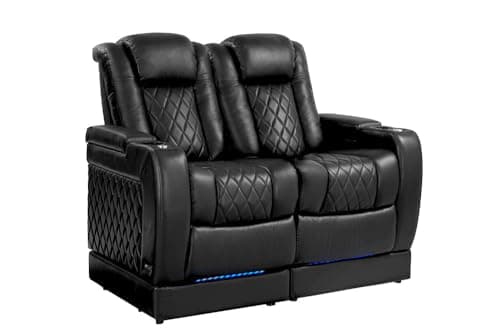

Start with viewing distance, since where you sit shapes how immersive the picture feels. Sit too far and a big screen shrinks into a window across the room. Sit too close and your eyes strain to take in the whole image. The comfortable sweet spot lets the screen fill a generous portion of your field of view while keeping the entire picture easy to see at a glance. Test it before committing by watching from a chair placed at your planned distance for an evening.
The style of seat is a personal choice, and each option has a character. Dedicated home theater recliners bring cupholders, deep padding, and a lean-back position built for long movies, and they make a room feel like a real cinema. A large sectional sofa is more flexible for families and casual gatherings, inviting people to spread out. Whatever you choose, prioritize genuine back and neck support, because a seat that looks luxurious but leaves you sore defeats the purpose.
Sight lines matter the moment you add a second row or seat more than a couple of people. If everyone sits on the same level, heads in front will block the screen for those behind. The classic solution is a riser, a raised platform that lifts the back row several inches so viewers can see over the row ahead. Even a modest elevation makes a dramatic difference, and building or buying a riser is one of the most satisfying upgrades a multi-row theater can get.
Spacing and traffic flow keep the room comfortable in practice, not just on paper. Leave enough room between rows for legs to stretch and for people to pass without climbing over others, and keep a clear path to the door so no one blocks the screen during a trip for snacks. Center your primary seats on the screen and, ideally, within the sweet spot of your speaker layout, so the best seat gets both the best view and the most balanced sound.
Finally, think about the small comforts that make people want to stay. Blankets within reach, a side table or built-in cupholders for drinks, and soft, dimmable lighting all signal that this is a place to relax. If your budget allows, powered recliners with adjustable positions let each person dial in their own comfort. Nail the fundamentals of distance, support, and sight lines first, then layer on these touches, and your seating will quietly become everyone's favorite part of the theater.
Popular right now
- Best 4K Blu-ray PlayersBuying guide
- Best Soundbar Wall MountsBuying guide
- Best 4K ProjectorsBuying guide
- Best Dolby Atmos SpeakersBuying guide
- How to Stop a Subwoofer From Humming or BuzzingArticle
- Best In-Ceiling SpeakersBuying guide
Based on the last 28 days of search and visitor data.