Wiring a Subwoofer the Right Way
Published How we research
A subwoofer is the component most people connect carelessly and then wonder why the bass sounds boomy, weak, or disconnected from the rest of the system. Wiring a sub correctly is not complicated, but it involves a few decisions about cabling, crossover, phase, and gain that together determine whether the low end blends seamlessly with your main speakers or announces itself as a separate box in the corner. Getting these right costs nothing beyond a little care and turns muddy rumble into tight, tuneful bass.
Products from this article
The highest-scoring picks from the buying guides this article links to. Scores are our editorial assessment, not customer ratings.
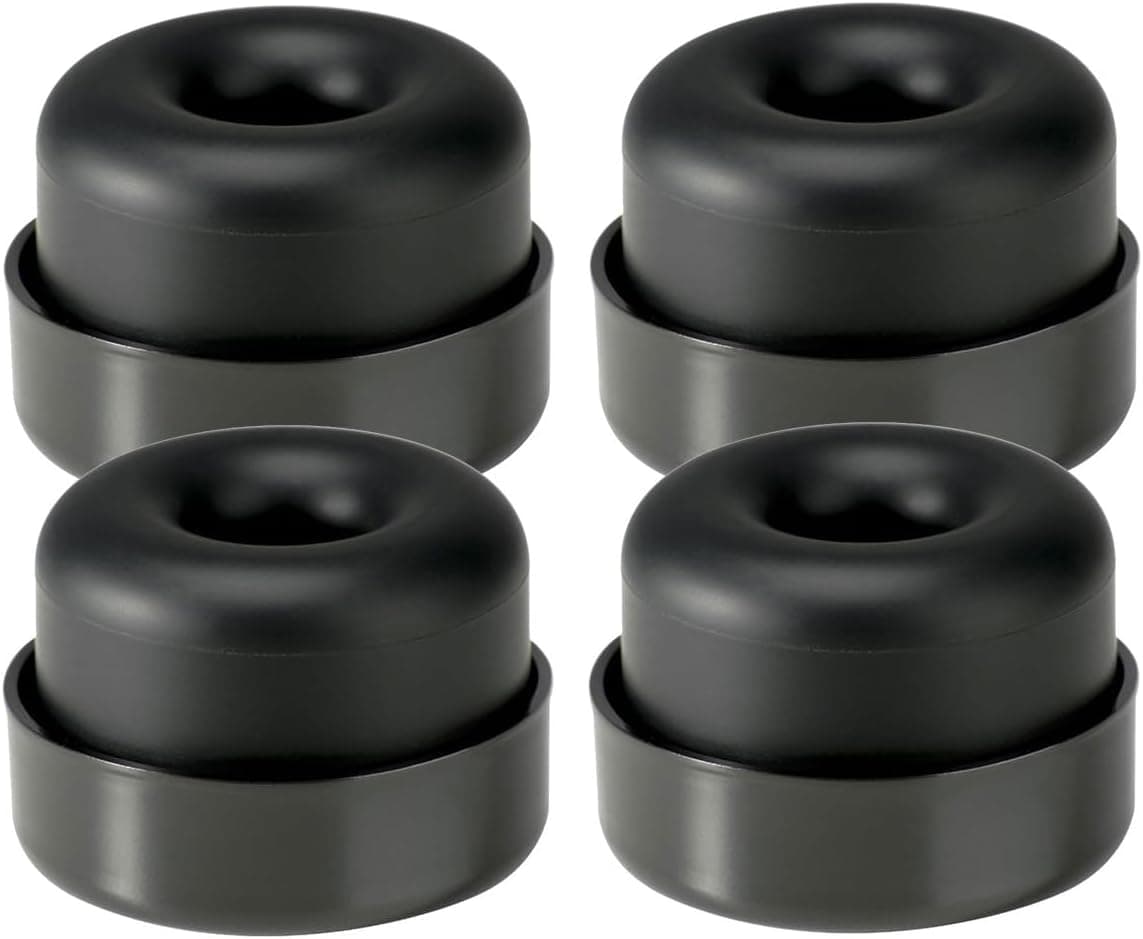
+ Decoupling feet cut buzzing through floors and to neighbors
From our guide: Best Subwoofer Isolation Pads
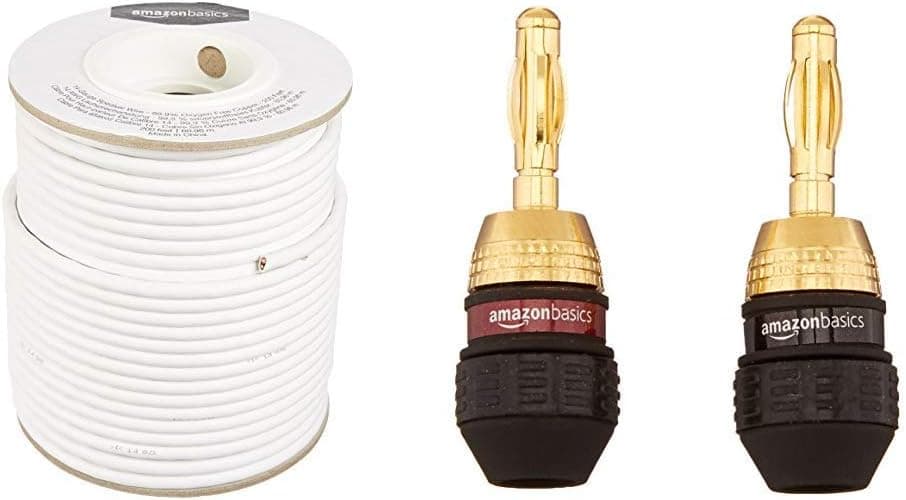
+ 12 pairs of banana plugs make receiver connections quick
From our guide: Best Speaker Wire
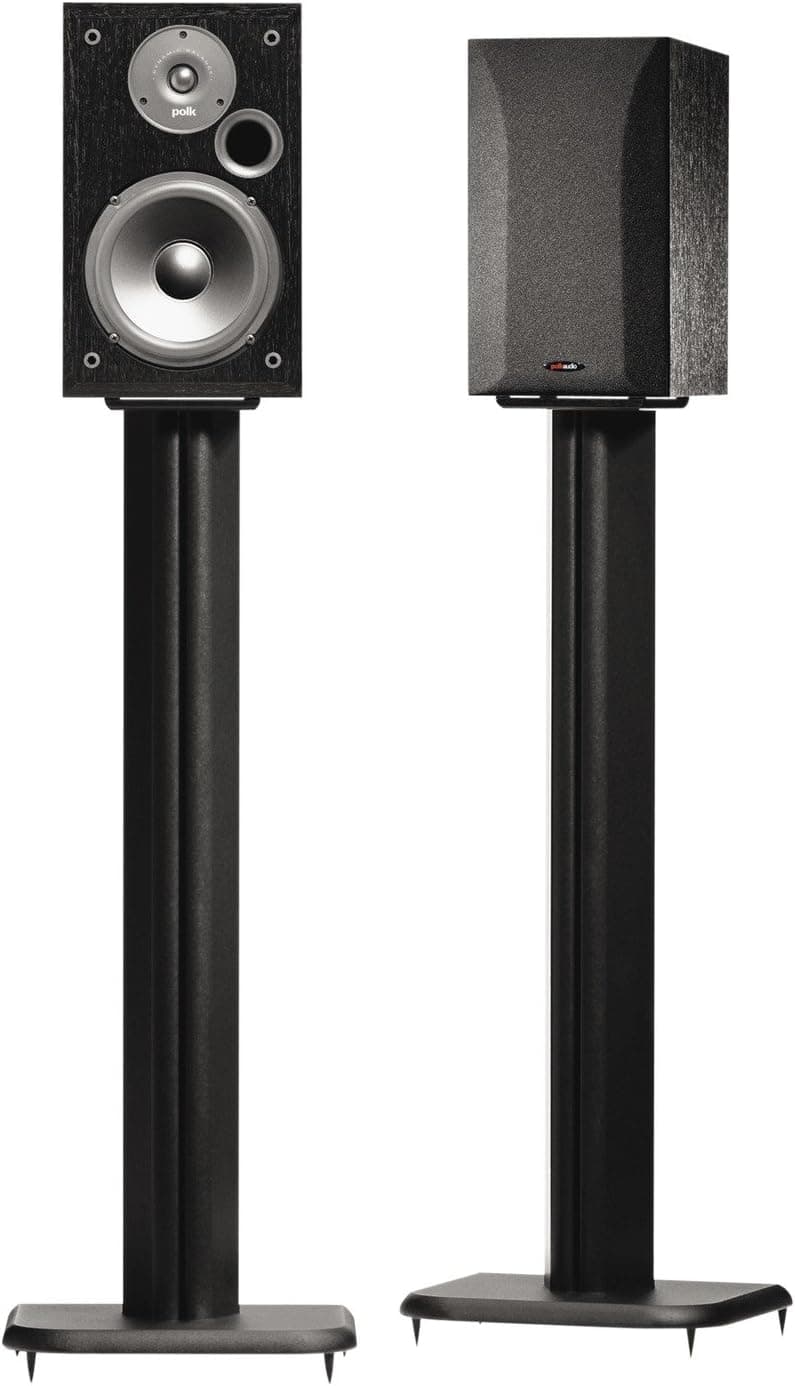
+ 31" height lifts bookshelf tweeters close to seated ear level
From our guide: Best Speaker Stands
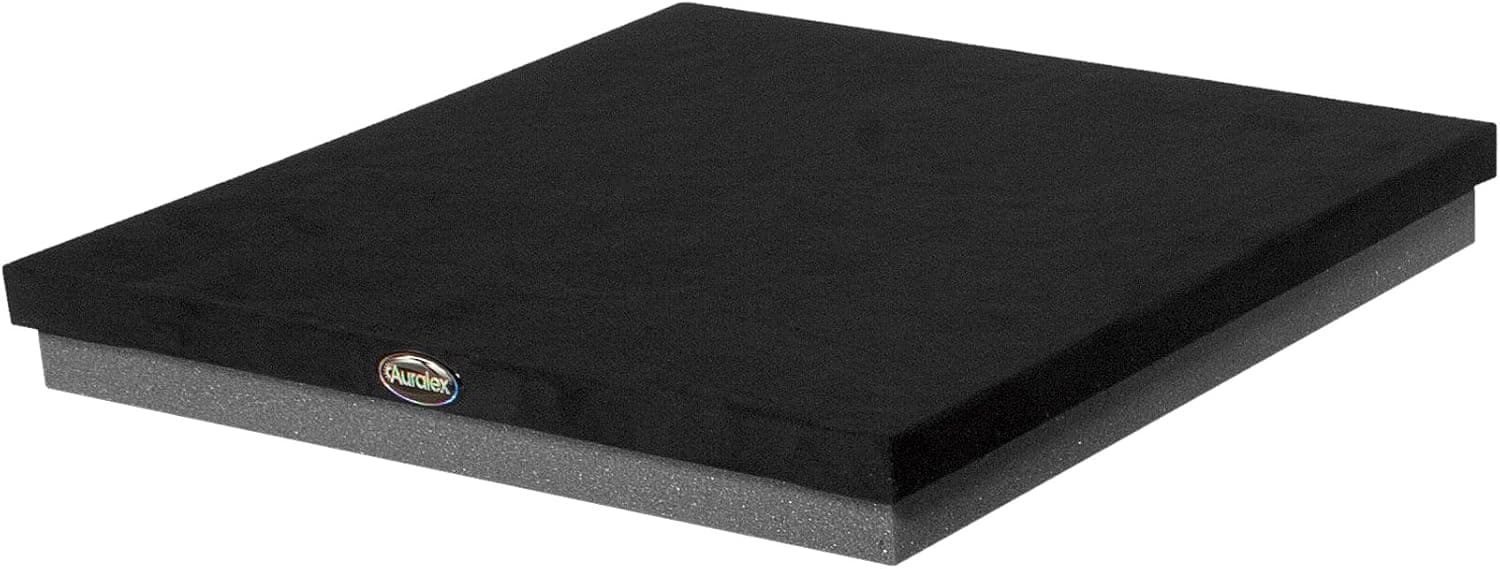
+ Platform floats the sub to reduce floor and wall rattles
From our guide: Best Subwoofer Isolation Pads
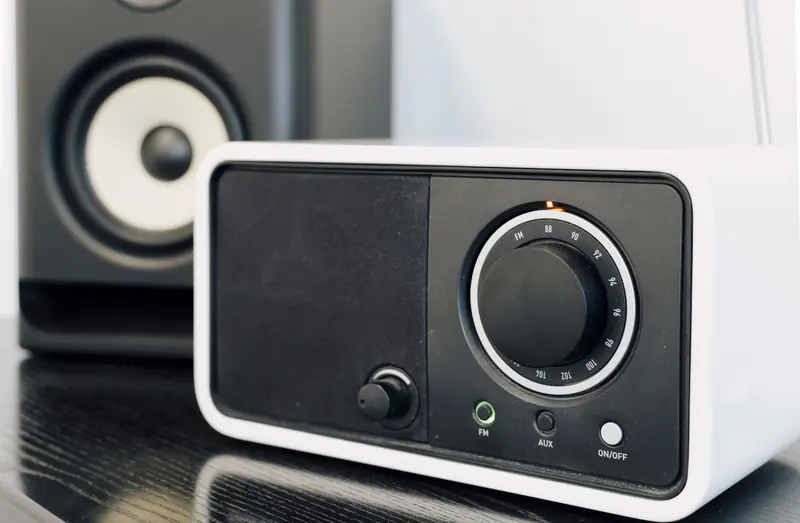
Start with the connection type. Most home theater subwoofers connect to your receiver's dedicated subwoofer output, labeled SUB OUT or LFE, using a single RCA cable. This carries the low-frequency effects channel plus any bass the receiver redirects from your other speakers, and it is by far the most common and correct method for a home theater. Some subwoofers offer stereo line-level inputs or speaker-level inputs for use in two-channel or older systems; for a modern receiver, stick with the single LFE-to-sub-out connection and let the receiver manage bass distribution.
The crossover setting decides where your main speakers hand off bass to the subwoofer, and it is the most important tuning choice you will make. If you are using the receiver's dedicated sub output, set the subwoofer's own crossover knob to its maximum or bypass position, then control the crossover entirely in the receiver's speaker setup menu. This prevents two crossovers from fighting each other. A common starting crossover point is 80 Hz for typical bookshelf and satellite speakers, moving higher for very small speakers and lower only for large towers with real low-end extension.
Set your speakers to Small in the receiver menu even if they are physically large, unless they genuinely reproduce deep bass well. Setting speakers to Small tells the receiver to send the deep bass they struggle with to the subwoofer, which is built for exactly that job and can play those frequencies with less strain and distortion. This single setting, combined with a sensible crossover, is what makes the transition between mains and sub disappear so the bass sounds like it comes from the whole soundstage rather than one corner.
Phase alignment ensures the subwoofer and main speakers move together rather than partially canceling each other at the crossover region. Many subs have a phase switch or a continuously variable phase dial. Play bass-heavy content, then flip or rotate the phase control and listen for the setting that produces the fullest, loudest bass at your seat; the wrong phase makes bass sound thin and hollow. If your receiver's room calibration handles distance and phase automatically, run it first, then verify by ear.
Gain, the subwoofer's volume knob, should be set so the sub matches the level of your main speakers rather than overpowering them. Use your receiver's test tones and a sound meter, or the calibration routine, to set the sub within a few decibels of the other channels. It is tempting to crank the gain because more bass feels impressive at first, but an overdriven sub muddies dialogue and fatigues quickly. Aim for bass you feel on impacts but do not constantly notice, and set the sub's low-pass filter out of the way when the receiver is doing the crossover work.
Once wired and set, fine-tune with placement and measurement. The physical spot of the subwoofer interacts with room modes as much as any setting, so if the bass is uneven, try the sub in a different location and rerun calibration. A measurement microphone and free software reveal peaks and nulls that no knob alone can fix. Wire it correctly, cross it over sensibly, align the phase, and level-match the gain, and your subwoofer will stop drawing attention to itself and simply make everything sound bigger and more real.
Popular right now
- Best 4K Blu-ray PlayersBuying guide
- Best Soundbar Wall MountsBuying guide
- Best 4K ProjectorsBuying guide
- Best Dolby Atmos SpeakersBuying guide
- How to Stop a Subwoofer From Humming or BuzzingArticle
- Best In-Ceiling SpeakersBuying guide
Based on the last 28 days of search and visitor data.