Soundproofing an Apartment Media Room
Published How we research
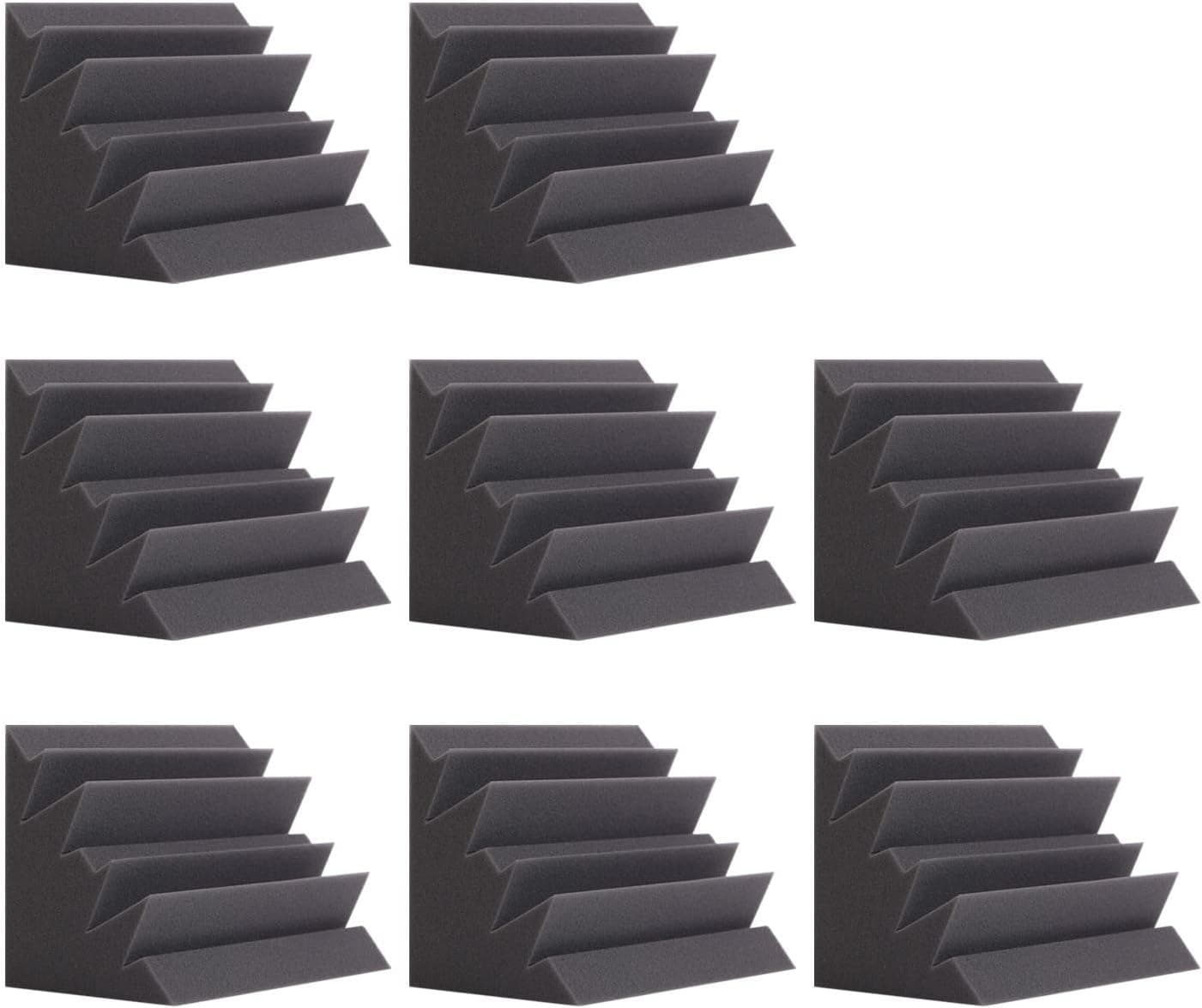
Soundproofing an apartment media room is about managing a fundamental tension: you want to enjoy loud, immersive sound, and your neighbors want quiet. Unlike a house where you might reframe a wall, an apartment usually rules out major construction, and you are fighting the toughest enemy in audio, low-frequency bass, through shared walls, floors, and ceilings. The realistic goal is meaningful reduction, not a recording-studio seal, achieved through methods a renter can install and remove without angering a landlord.
Products from this article
The highest-scoring picks from the buying guides this article links to. Scores are our editorial assessment, not customer ratings.
+ NRC 1.60 rating shows strong broadband absorption
From our guide: Best Bass Traps
+ THX certification signals reference-level cinema tuning
From our guide: Best Surround Sound Systems
+ Decoupling feet cut buzzing through floors and to neighbors
From our guide: Best Subwoofer Isolation Pads
+ Corner placement targets bass buildup where it is strongest
From our guide: Best Bass Traps

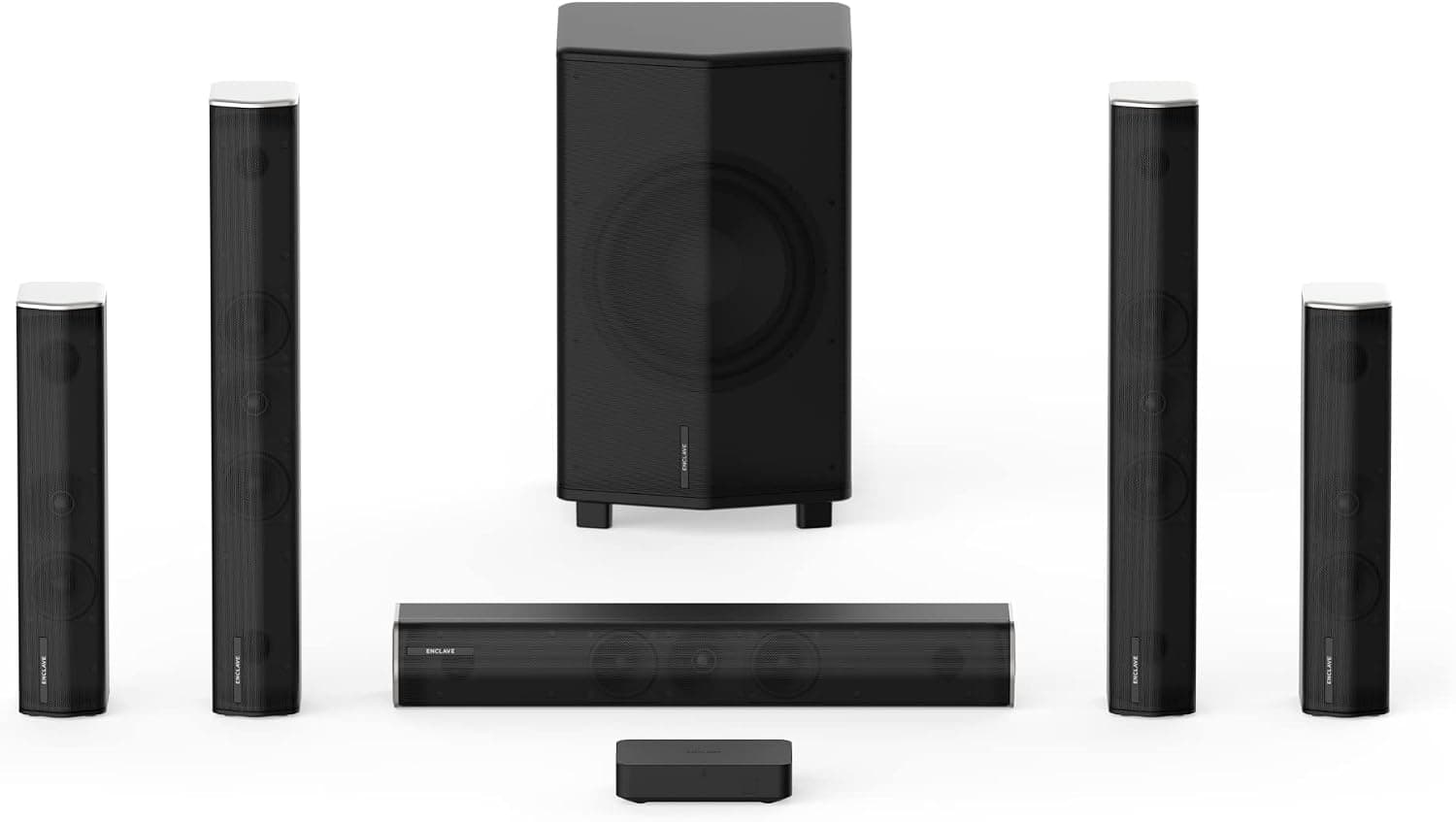

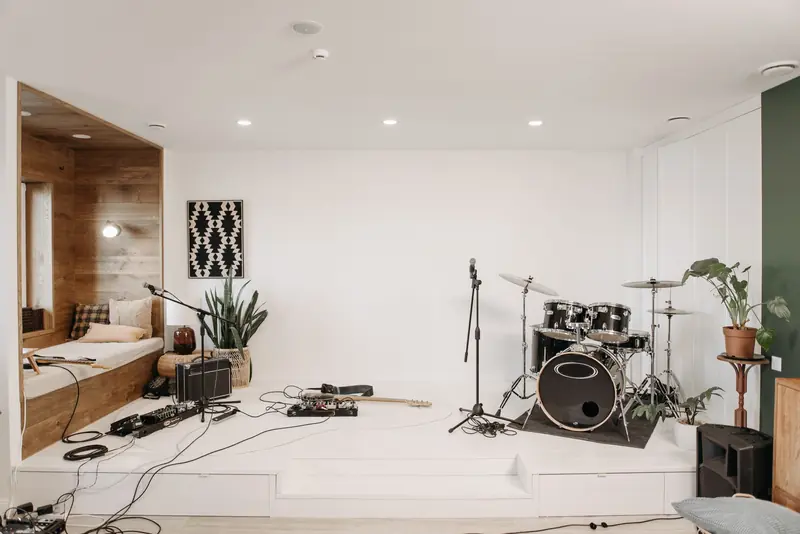
First, understand the difference between soundproofing and acoustic treatment, because they are constantly confused. Acoustic panels and foam improve how sound behaves inside your room, but they do almost nothing to stop sound escaping to neighbors. Soundproofing, or more accurately sound isolation, is about blocking sound transmission through the building structure, which requires mass, decoupling, and sealing air gaps. If your aim is to avoid noise complaints, you need isolation strategies, not the same panels that make your room sound cleaner, though the two can work together.
Bass is the hardest problem and deserves the most attention, because low frequencies travel as physical vibration through the building's structure, which is why a neighbor hears your subwoofer's thump long after the dialogue is inaudible. The single most effective move is to decouple the subwoofer from the floor using an isolation platform, a dense pad or a purpose-built sub isolation stand, so its vibration is absorbed rather than transmitted into the shared floor and ceiling below. Turning the subwoofer level down, crossing it over sensibly, and simply keeping late-night volume reasonable also help enormously, since no passive treatment fully tames bass in a shared building.
Air gaps leak sound like water leaks through cracks, so sealing is a high-value, low-cost step. Sound travels easily under and around doors, so fit weatherstripping around the door frame and a door sweep or draft blocker along the bottom to close the gap to the floor. A hollow-core interior door passes sound readily; replacing it with a solid-core door, or adding a heavy mass-loaded blanket over it during viewing, blocks far more. Check for gaps around outlets, vents, and where pipes enter the room, and seal them with acoustic caulk or covers where you can do so reversibly.
Walls and windows carry a lot of sound, and renters have removable options for both. Heavy curtains or specialized mass-loaded barrier panels hung over a shared wall or window add mass that blunts mid and high frequencies, and thick moving blankets on a wall behind the speakers reduce both transmission and internal reflections. Bookshelves packed full against a shared wall act as surprisingly effective mass and are entirely landlord-friendly. None of these stop bass, but together they noticeably cut the higher-frequency sound that would otherwise leak through thin apartment walls.
The floor and ceiling are the paths people forget, especially in a stacked apartment building. A thick rug with a dense underlay dampens impact noise and some airborne sound traveling to the unit below, and it also improves your room's acoustics. Ceilings are largely out of a renter's reach to treat directly, which makes controlling the sound at the source, particularly bass, all the more important. Positioning your subwoofer away from the shared wall with the most sensitive neighbor, and never placing it directly against a party wall, reduces how much energy couples into the structure.
Beyond the physical measures, be practical and neighborly, because timing and communication solve what construction cannot. Keep the most demanding, bass-heavy viewing to reasonable hours, invest in a good pair of headphones with a wireless transmitter for late nights, and consider simply talking to your neighbors so they know when to expect a movie night. Combine source control, decoupling the subwoofer, sealing air gaps, and adding removable mass, and you can enjoy a genuinely immersive apartment theater while keeping the peace and your security deposit intact.
Popular right now
- Best 4K Blu-ray PlayersBuying guide
- Best Soundbar Wall MountsBuying guide
- Best 4K ProjectorsBuying guide
- Best Dolby Atmos SpeakersBuying guide
- How to Stop a Subwoofer From Humming or BuzzingArticle
- Best In-Ceiling SpeakersBuying guide
Based on the last 28 days of search and visitor data.