How to Hide Home Theater Wires for a Clean, Pro Look
Published How we research
Nothing undercuts a beautiful home theater faster than a tangle of visible cables. Hiding your wires is one of the highest-impact finishing touches you can do, and it ranges from quick renter-friendly tricks to permanent in-wall runs. The right method depends on whether you own the space, how much you want to invest, and whether power cables are part of the equation. A little planning here pays off every time you look at the room.
Products from this article
The highest-scoring picks from the buying guides this article links to. Scores are our editorial assessment, not customer ratings.
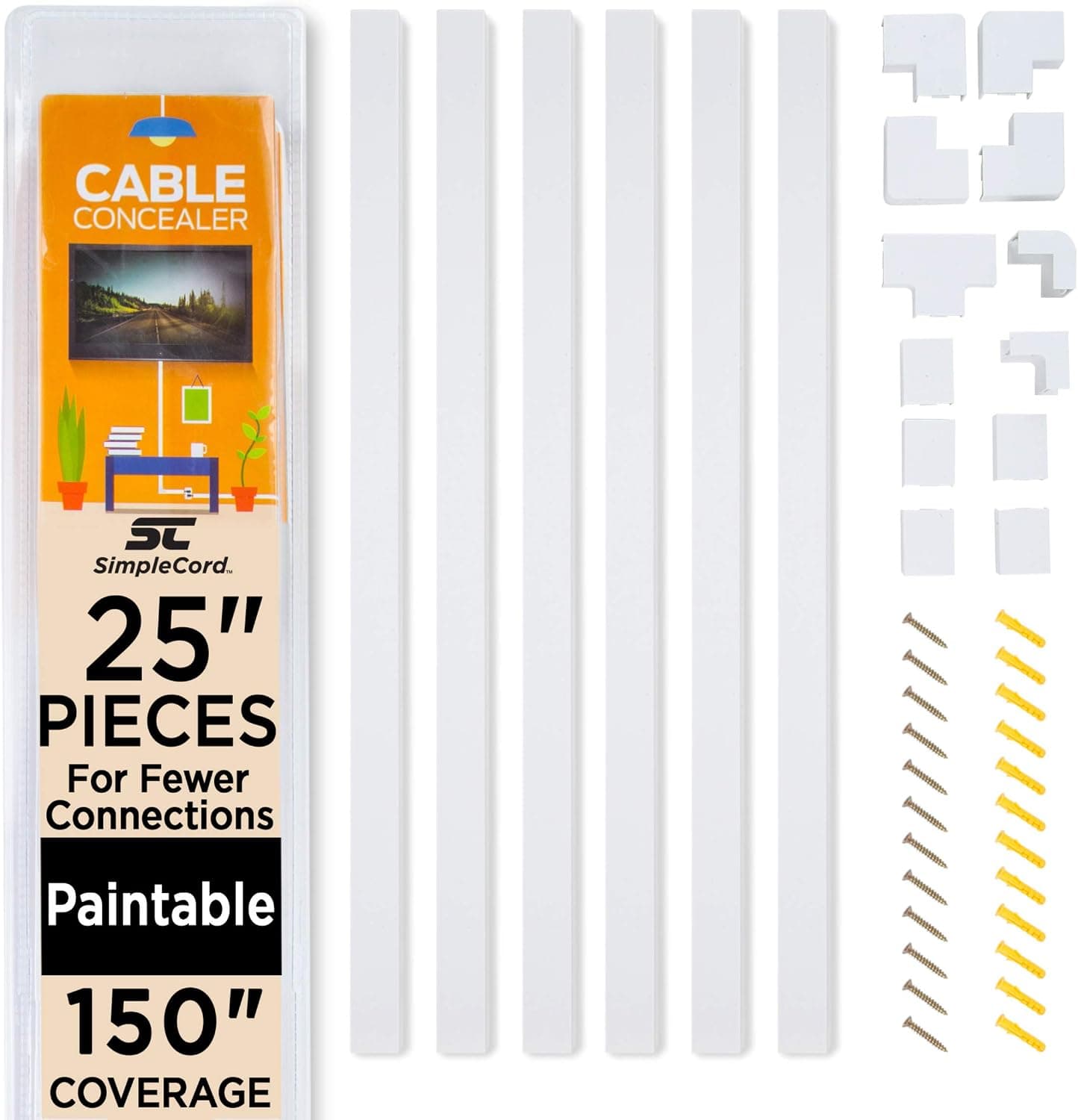
+ 6-Pack of 25in pieces handles typical TV installs neatly
From our guide: Best Cable Raceways
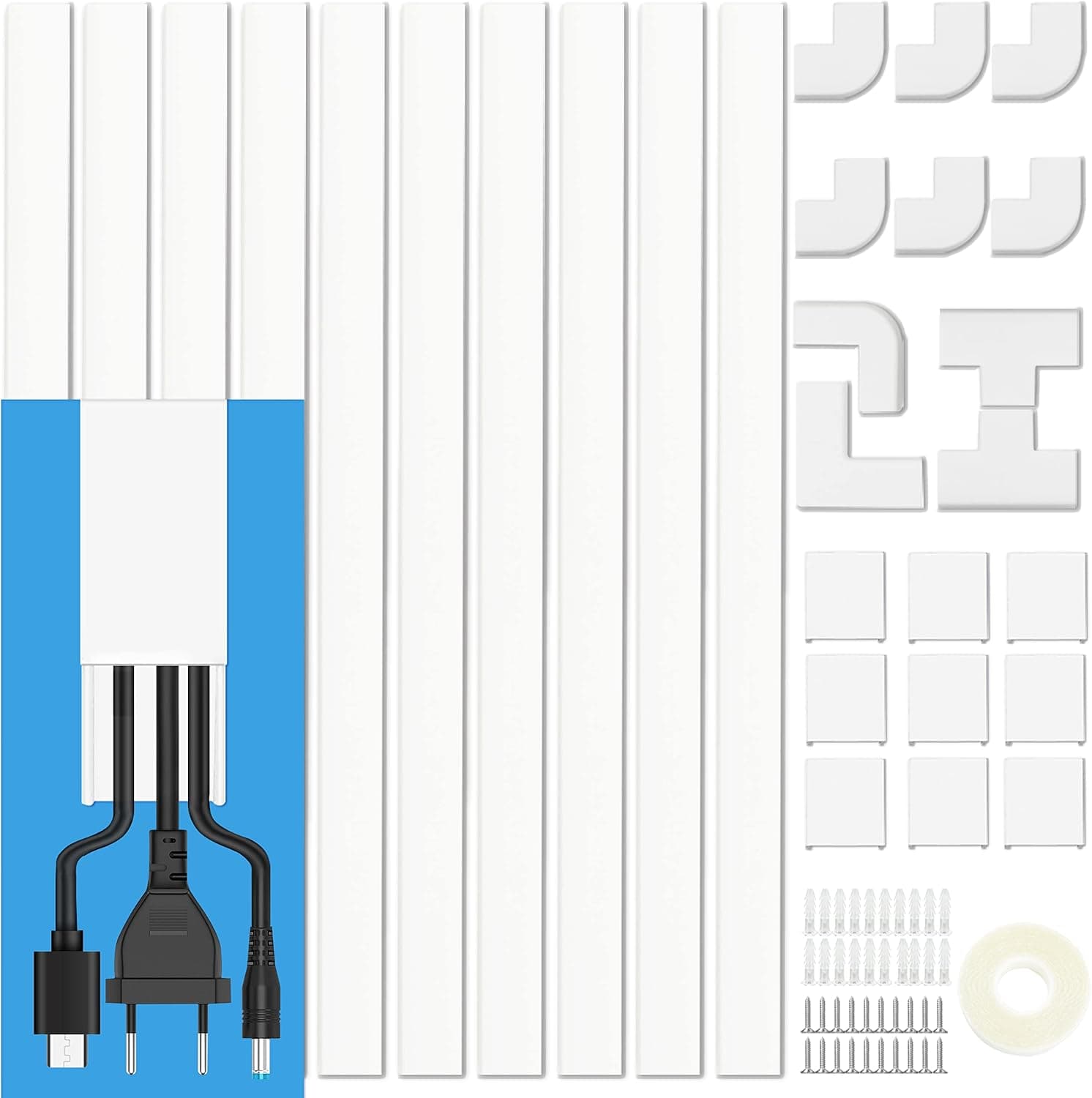
+ 157" of raceway covers several vertical and horizontal runs
From our guide: Best Cable Management Kits
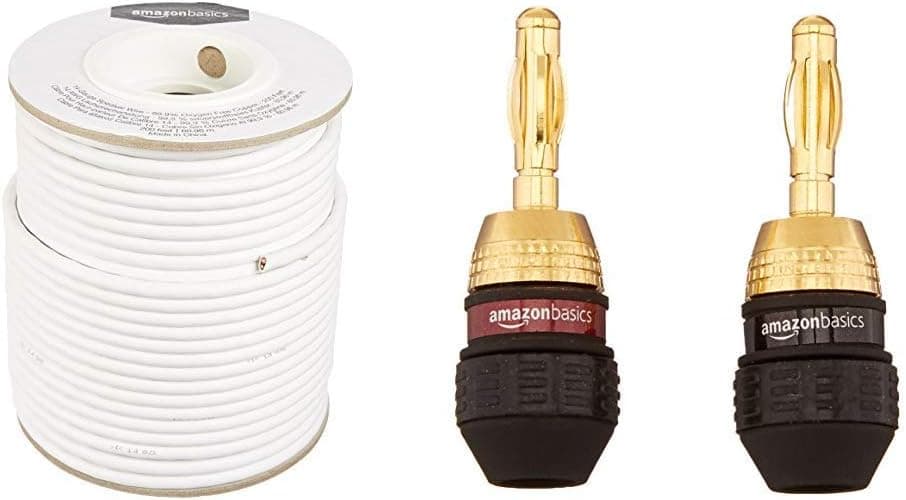
+ 12 pairs of banana plugs make receiver connections quick
From our guide: Best Speaker Wire
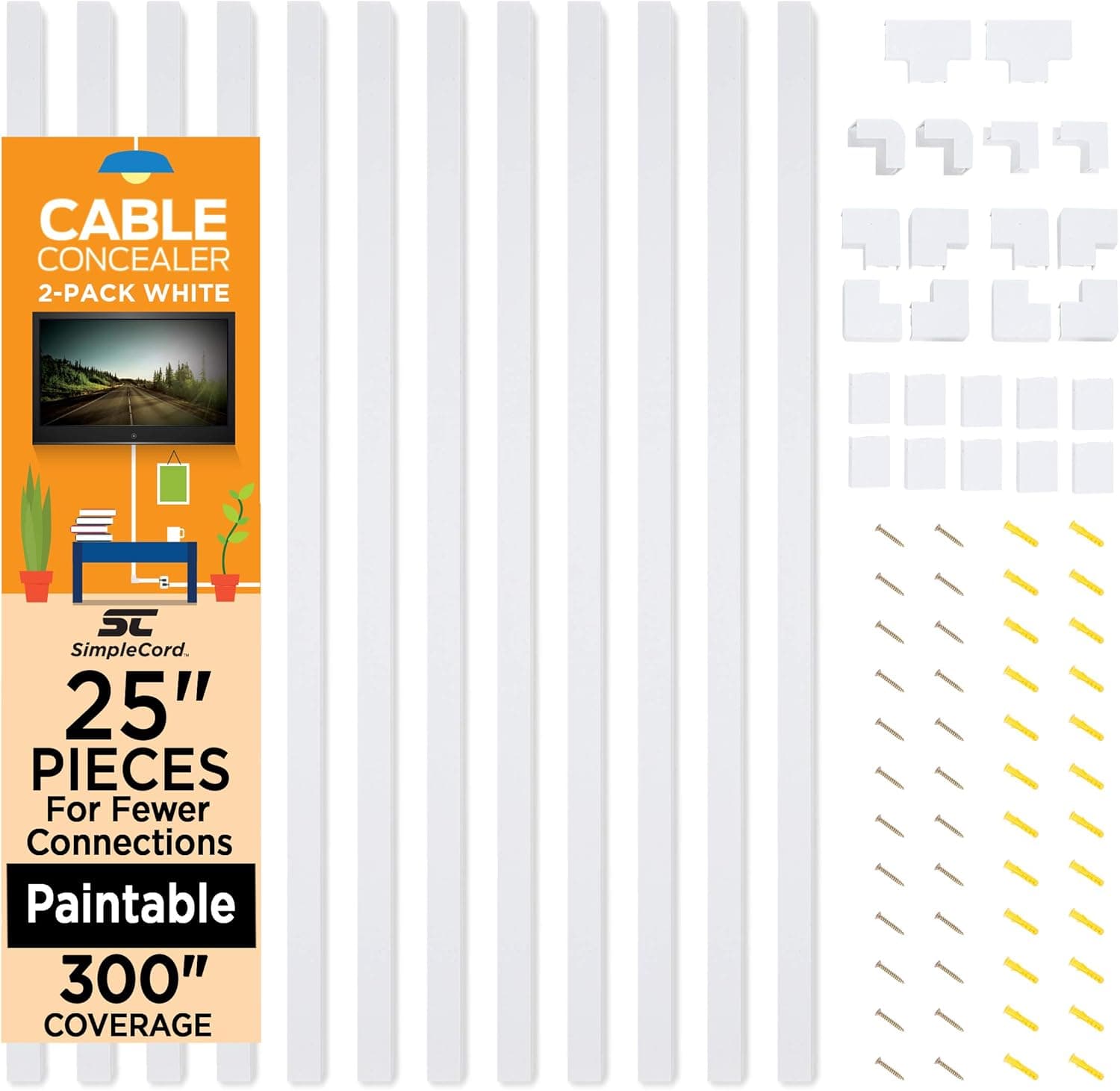
+ 300-inch total length suits large rooms and multiple devices
From our guide: Best Cable Raceways
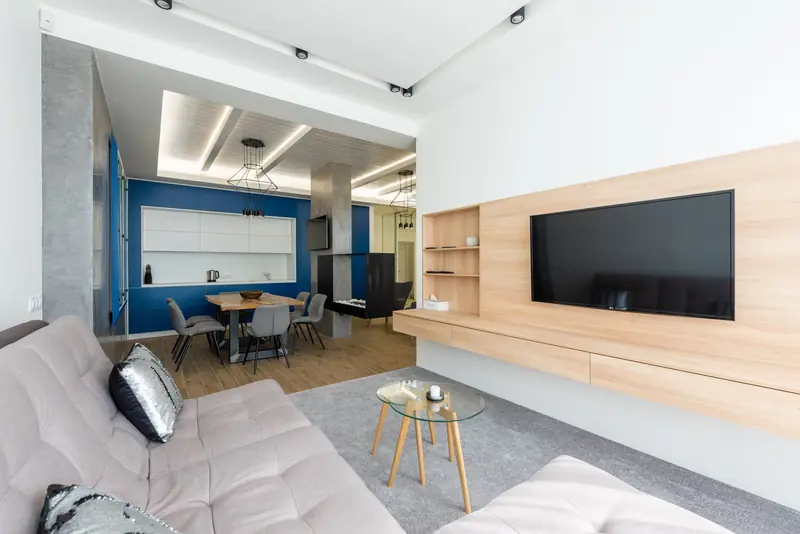
The simplest approach is to manage cables rather than conceal them entirely. Bundling loose wires with reusable ties, routing them along the back edge of furniture, and labeling each end makes even an exposed setup look deliberate instead of chaotic. Adhesive cable clips guide wires neatly along baseboards and behind table legs, keeping them off the floor and out of sight lines. This costs almost nothing and is completely reversible, which makes it ideal for renters.
For a cleaner look without opening walls, cable raceways are your best friend. These are slim channels that stick or screw to the wall, hold your cables inside, and can be painted to match so they nearly disappear. They are perfect for running speaker wire up to surround speakers or hiding the cables between a wall-mounted TV and the components below it. Raceways handle the low-voltage cables safely and come off cleanly, making them a favorite for anyone who cannot or does not want to cut into drywall.
If you own your home and want the invisible, built-in look, running cables inside the wall is the gold standard. Low-voltage cables like HDMI and speaker wire can generally be run through the wall cavity using simple tools and a pair of low-voltage brackets, one behind the TV and one behind the components. This lets cables drop straight down inside the wall with nothing showing. Take your time fishing the cables and leave a little slack so future changes are easy.
Power is the one area where you must be careful, because standard power cords and extension cords are not rated to run inside walls and doing so can be a fire hazard. The safe solution is an in-wall power relocation kit, which uses proper rated components to provide an outlet behind the TV fed from your existing outlet below. If you are at all unsure about electrical work, this is the moment to call a qualified electrician rather than improvise, since safety here is not worth the risk.
Do not forget the floor-level runs to surround and rear speakers, which are often the trickiest. Flat, paintable adhesive cord covers blend into baseboards, while under-rug cable channels protect wires that must cross a walkway. In finished basements or accessible crawl spaces, you can often run speaker wire beneath the floor and pop it up right where each speaker sits. Whatever combination you choose, plan the full path before you start, and your theater will look as polished as it sounds.
Popular right now
- Best 4K Blu-ray PlayersBuying guide
- Best Soundbar Wall MountsBuying guide
- Best 4K ProjectorsBuying guide
- Best Dolby Atmos SpeakersBuying guide
- How to Stop a Subwoofer From Humming or BuzzingArticle
- Best In-Ceiling SpeakersBuying guide
Based on the last 28 days of search and visitor data.