How to Choose a Projector Screen
Published How we research
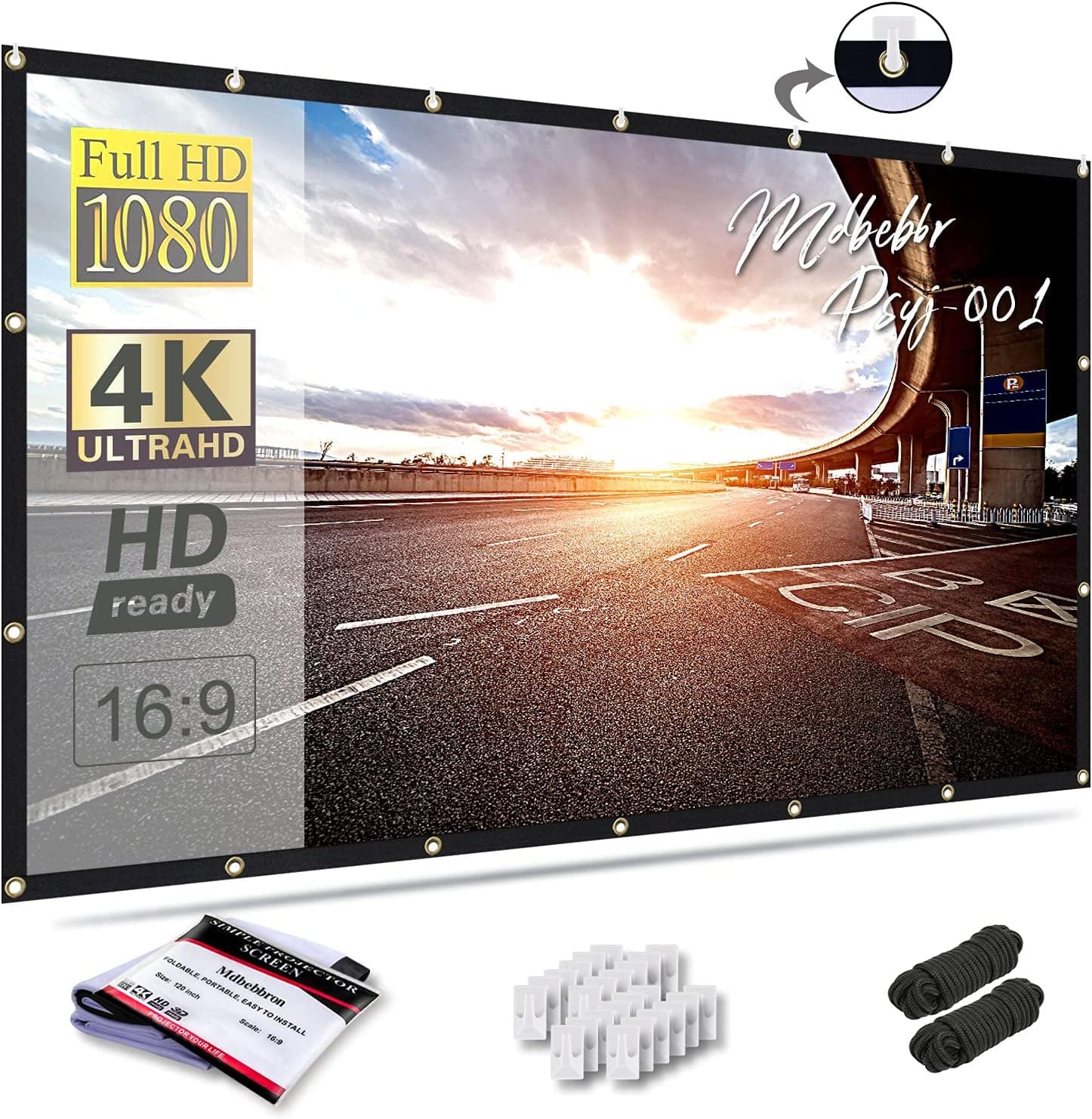
A projector is only half of the picture, and the screen you pair with it has a bigger effect on image quality than most people realize. The right screen boosts brightness, sharpens contrast, and keeps colors accurate, while the wrong one can leave even a good projector looking dull or uneven. Before you buy, it helps to understand a few core concepts so you can match the screen to your projector and your room instead of guessing.
Products from this article
The highest-scoring picks from the buying guides this article links to. Scores are our editorial assessment, not customer ratings.
+ Included stand means no wall drilling or hooks are needed
From our guide: Best Projector Screens
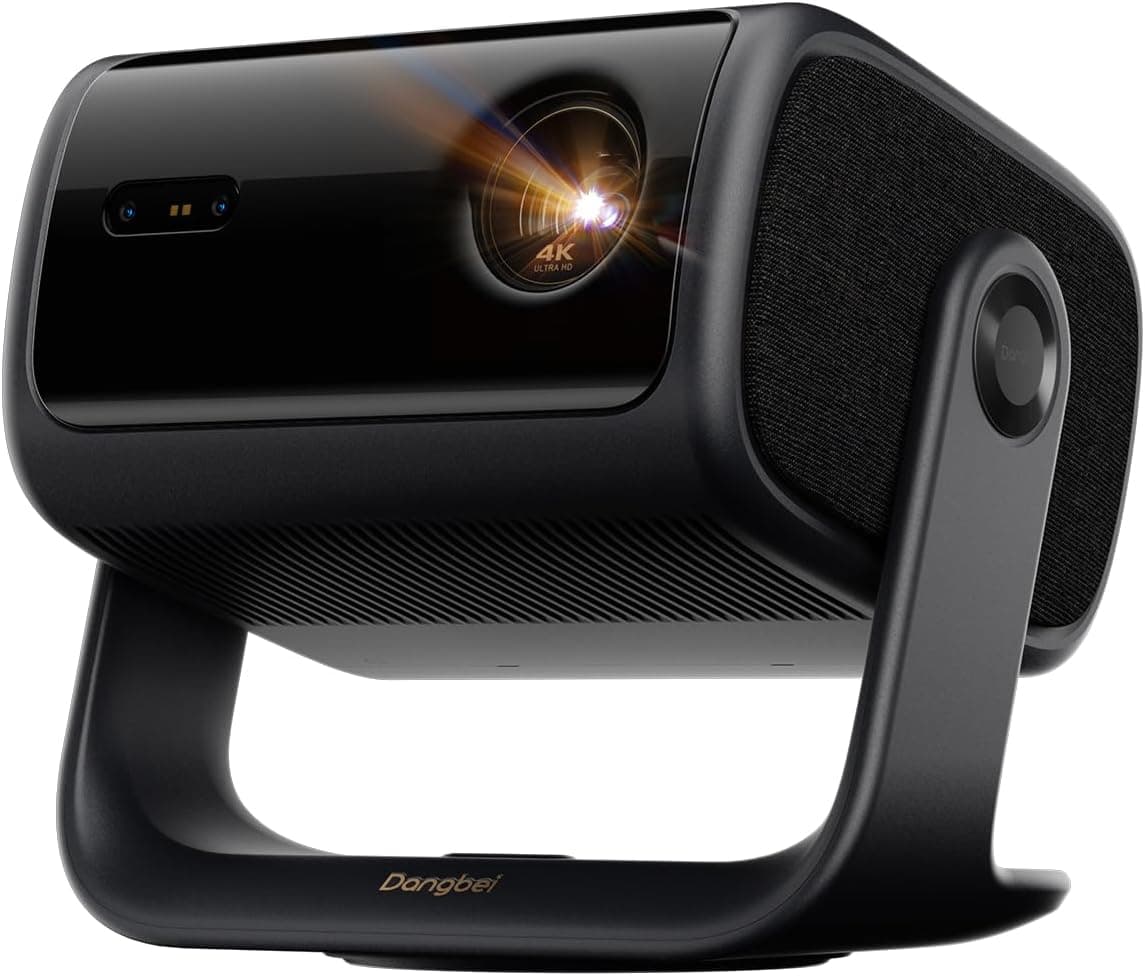
+ Triple laser light gives very wide color, listed at 110% BT.2020
From our guide: Best 4K Projectors
+ 95% ceiling light rejection keeps blacks deep under overhead lights
From our guide: Best ALR Projector Screens
+ 1.3 GAIN surface adds a little brightness over plain white fabric
From our guide: Best Projector Screens
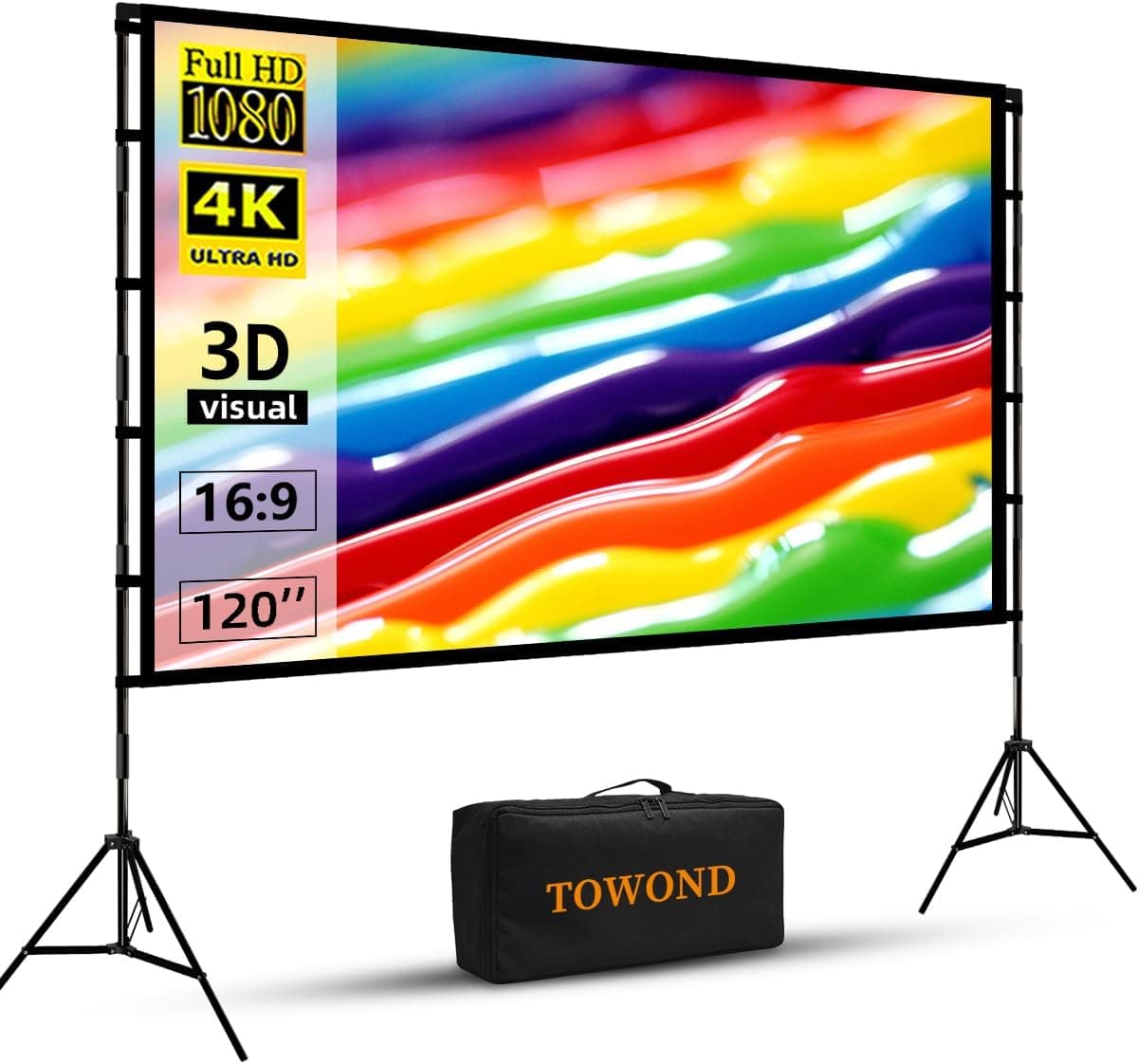


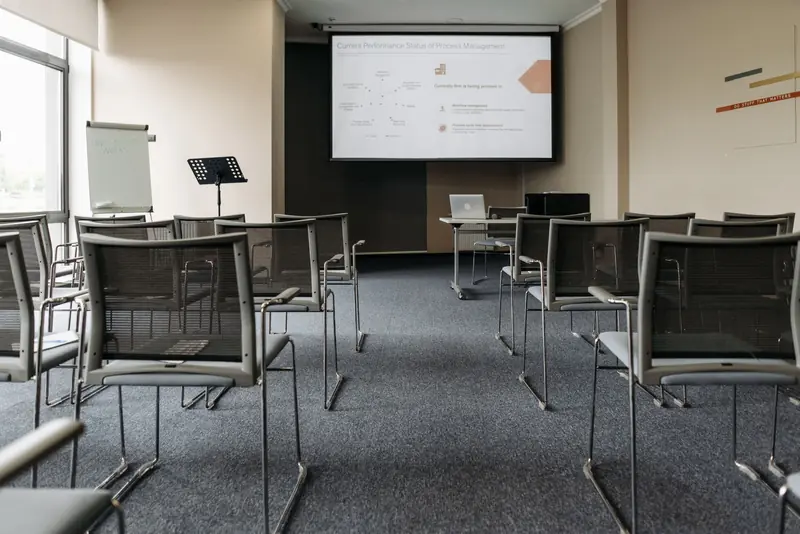
Size and aspect ratio come first because they define the whole experience. Most movies and TV are made for a 16:9 widescreen shape, so a 16:9 screen suits the majority of home theaters. Choose the diagonal size based on your seating distance, giving yourself an immersive image without sitting so close that pixels or imperfections become distracting. Sketch the screen dimensions on your wall with painter's tape first, so you can live with the footprint for a day before committing.
Screen gain describes how much light the surface reflects back toward the viewer. A gain around 1.0 reflects light evenly and gives wide, consistent viewing angles, which is ideal for a dark, dedicated room. Higher-gain screens bounce more light straight back, boosting brightness for rooms with some ambient light, but they narrow the sweet spot and can cause hotspotting where the center looks brighter than the edges. Match gain to your projector's brightness and your room's darkness rather than assuming higher is always better.
Screen material and color matter just as much as gain. A standard white screen is a versatile, reliable choice for a room you can darken well. Gray screens, sometimes called high-contrast screens, deepen black levels and are helpful when you cannot fully control ambient light, since they help preserve contrast. There are also specialized ambient-light-rejecting screens engineered to bounce projector light to your eyes while absorbing light from overhead, which can be a smart pick for a bright living room.
Fixed-frame and retractable designs suit different lifestyles. A fixed-frame screen mounts permanently and stays perfectly flat and tensioned, giving the cleanest, most theater-like result for a dedicated room. Motorized or manual pull-down screens retract out of sight when not in use, which is perfect for a multipurpose living space where the wall serves other duties by day. Decide how visible you want the screen to be when the projector is off, and let that guide the format.
If a screen is not in the budget yet, a smooth, well-prepared wall painted with dedicated projector screen paint can be a surprisingly good stopgap. It will not match a quality screen for uniformity and black levels, but it can get you watching while you save. Whatever you choose, make sure the surface is flat, taut, and sized to your room, because a great screen quietly lets your projector do its best work every single night.
Popular right now
- Best 4K Blu-ray PlayersBuying guide
- Best Soundbar Wall MountsBuying guide
- Best 4K ProjectorsBuying guide
- Best Dolby Atmos SpeakersBuying guide
- How to Stop a Subwoofer From Humming or BuzzingArticle
- Best In-Ceiling SpeakersBuying guide
Based on the last 28 days of search and visitor data.