Building a Budget Home Theater That Punches Above Its Price
Published How we research
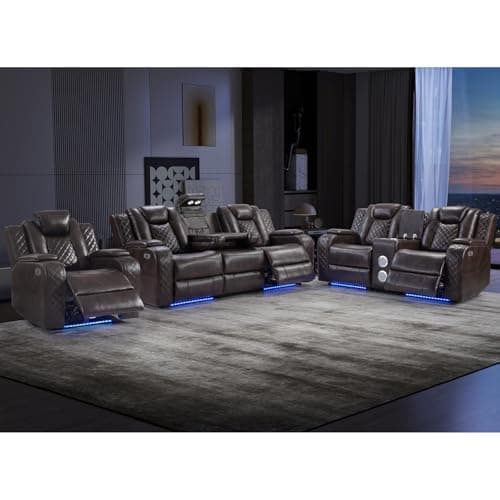
A great home theater is far more about smart allocation than a big budget. People routinely spend thousands on a display and a receiver, then power tiny speakers in an untreated room and wonder why it does not feel cinematic. The truth is that a modest budget spent in the right order and on the right things can deliver deeply satisfying movie nights, while a large budget spent carelessly can disappoint. The key is knowing where each dollar returns the most and resisting the pull of flashy specs that do not change what you actually experience.
Products from this article
The highest-scoring picks from the buying guides this article links to. Scores are our editorial assessment, not customer ratings.
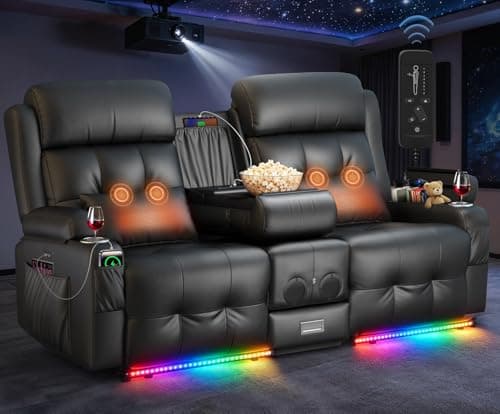
+ Flip-down middle backrest converts the loveseat into a 3-seater, and the console has a built-in power strip.
From our guide: Best Home Theater Seating
+ Seven foot size is listed as big enough for two, which suits sharing a movie.
From our guide: Best Bean Bag Chairs
+ 10-Ounce kettle hits a sweet spot for family movie nights
From our guide: Best Popcorn Machines
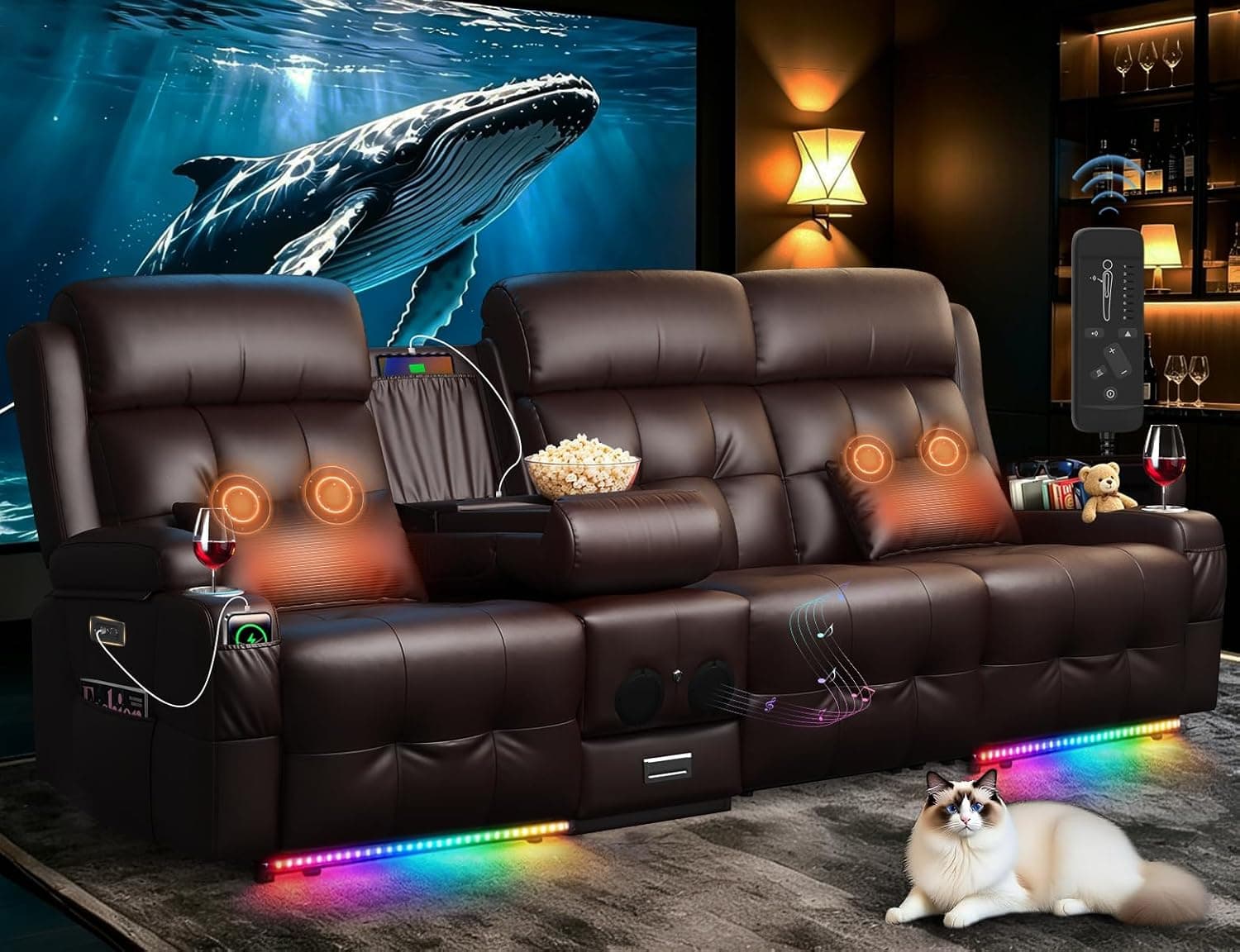
+ Massage and heat functions add comfort for long movie marathons
From our guide: Best Home Theater Seating


Start by prioritizing sound over picture, which is the opposite of what most beginners do. A capable set of speakers and a subwoofer transform a room more than an extra bit of display resolution ever will, because sound is what makes you feel an explosion, hear rain around you, and understand quiet dialogue. On a tight budget, a solid 3.1 system, three front speakers plus a subwoofer, will outperform a 5.1 set of cheaper, weaker speakers. You can always add surround speakers later; buy quality fronts first and build outward.
For the display, resist chasing the largest or highest-spec option and buy the best value in a size right for your room. A well-reviewed midrange 4K TV from last year's lineup often delivers most of the picture quality of the current flagship at a fraction of the price, since panel improvements are incremental year to year. If you want a big projected image and can control room light, an entry-level 4K projector plus a simple screen can give a genuinely cinematic scale for less than a comparably sized television, provided you can make the room dark.
The receiver is where budget builders often overspend on features they will never use. You do not need a hundred-watt-per-channel flagship with a dozen HDMI inputs and every streaming app; you need enough clean power for your speakers, support for the surround formats you care about, and the inputs your sources require. A midrange receiver or even a capable used one from a reputable brand handles all of this. Spend the savings on speakers or room treatment, both of which affect the sound far more than a pricier amplifier.
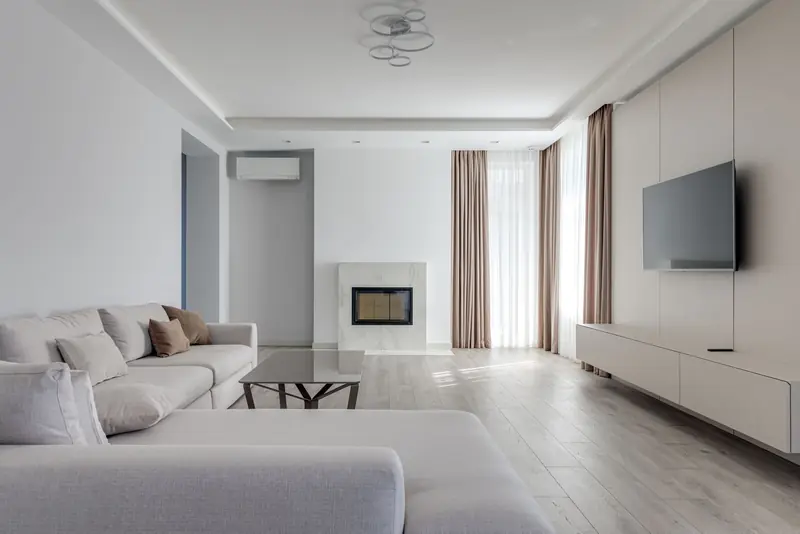
Do not skip the room, because it is the cheapest upgrade of all. Rearranging seating to the right distance, pulling speakers away from walls, adding a thick rug on a hard floor, hanging curtains, and placing a couple of DIY absorption panels at the first reflection points cost little and improve clarity and bass more than swapping components. Even simple bias lighting behind the screen, a low-cost strip, makes the picture look better and reduces eye strain. These small, unglamorous moves are where budget systems gain the most ground on expensive ones.
Buy used and last-generation deliberately rather than as a compromise. Receivers, speakers, and even projectors from a year or two ago show up in excellent condition at steep discounts, because the market chases the newest models. Speakers in particular barely change year to year and hold up well, so a quality used pair often beats a new budget pair at the same price. Watch for open-box and refurbished stock from authorized sellers, and time major purchases around sale events when big-ticket items drop significantly.
Finally, build in phases and let the system grow with you. Start with the front speakers, sub, a good-value display, and a capable receiver, get the room and lighting right, then add surround and height channels as budget allows. Spending in this order means every stage sounds and looks good on its own, and you avoid the trap of buying weak all-in-one bundles that you replace entirely later. A patient, prioritized build delivers a theater that punches well above its price and keeps improving instead of one you outgrow in a year.
Popular right now
- Best 4K Blu-ray PlayersBuying guide
- Best Soundbar Wall MountsBuying guide
- Best 4K ProjectorsBuying guide
- Best Dolby Atmos SpeakersBuying guide
- How to Stop a Subwoofer From Humming or BuzzingArticle
- Best In-Ceiling SpeakersBuying guide
Based on the last 28 days of search and visitor data.