Best Home Theater Setup for Small Rooms
Published How we research
A small room is an advantage: sound stays contained and you sit close enough for a modest screen to feel large. Size the screen to viewing distance rather than ambition, consider a short-throw or ultra short-throw projector to avoid beam-blocking, use bookshelf speakers or a soundbar plus one subwoofer instead of floor-standing towers, pull speakers slightly out of corners to avoid boomy bass, and add blackout curtains and dark matte walls for contrast. A small room is not a disadvantage for a home theater, it is actually one of the easiest spaces to make sound and look great. Sound energy stays contained, you sit close enough for a modest screen to feel large, and controlling light is simpler when there are fewer windows. The key is choosing gear scaled to the space rather than forcing in equipment meant for a much larger room. Work with the room and it will reward you.
Products from this article
The highest-scoring picks from the buying guides this article links to. Scores are our editorial assessment, not customer ratings.
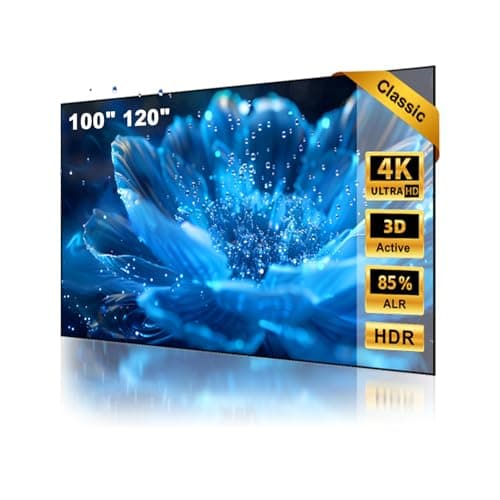
+ 95% ceiling light rejection keeps blacks deep under overhead lights
From our guide: Best ALR Projector Screens
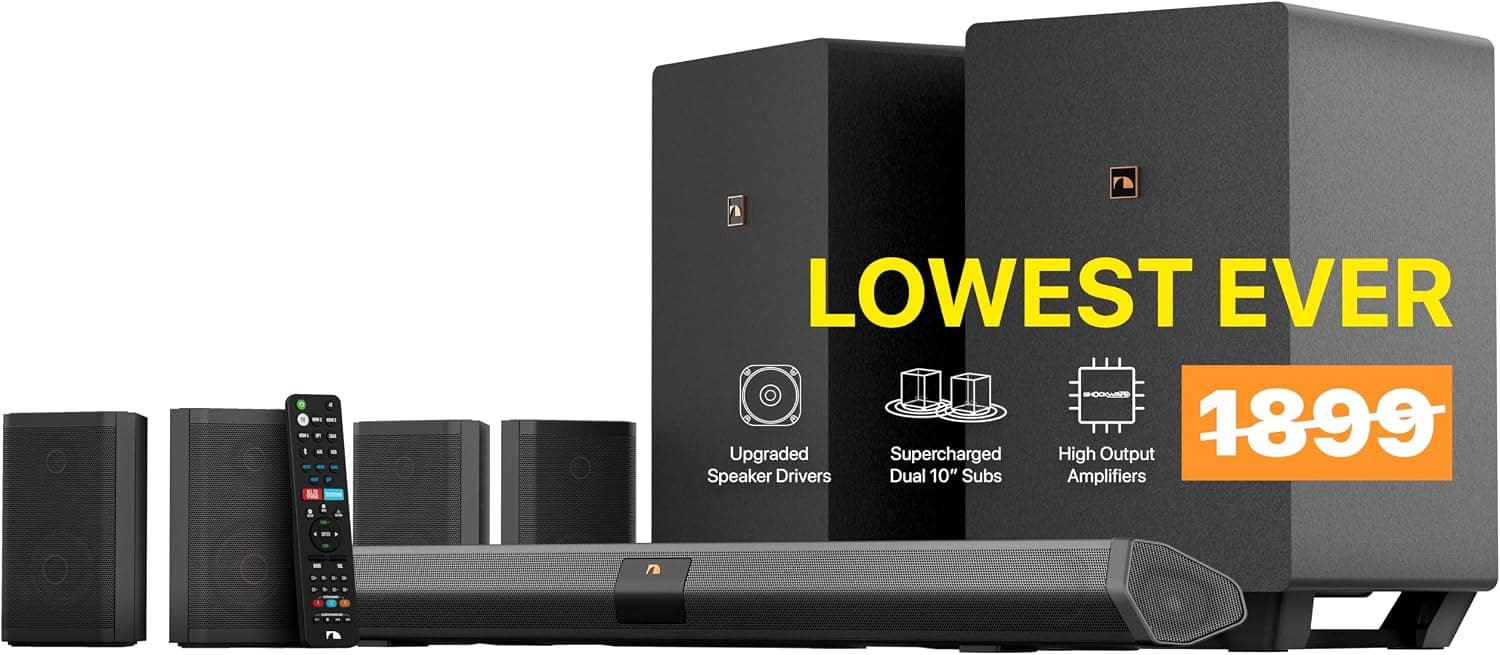
+ Dual 10 inch wireless subs deliver room-shaking home theater bass
From our guide: Best Soundbars
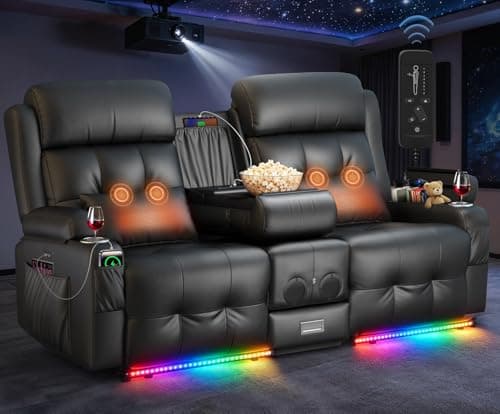
+ Flip-down middle backrest converts the loveseat into a 3-seater, and the console has a built-in power strip.
From our guide: Best Home Theater Seating
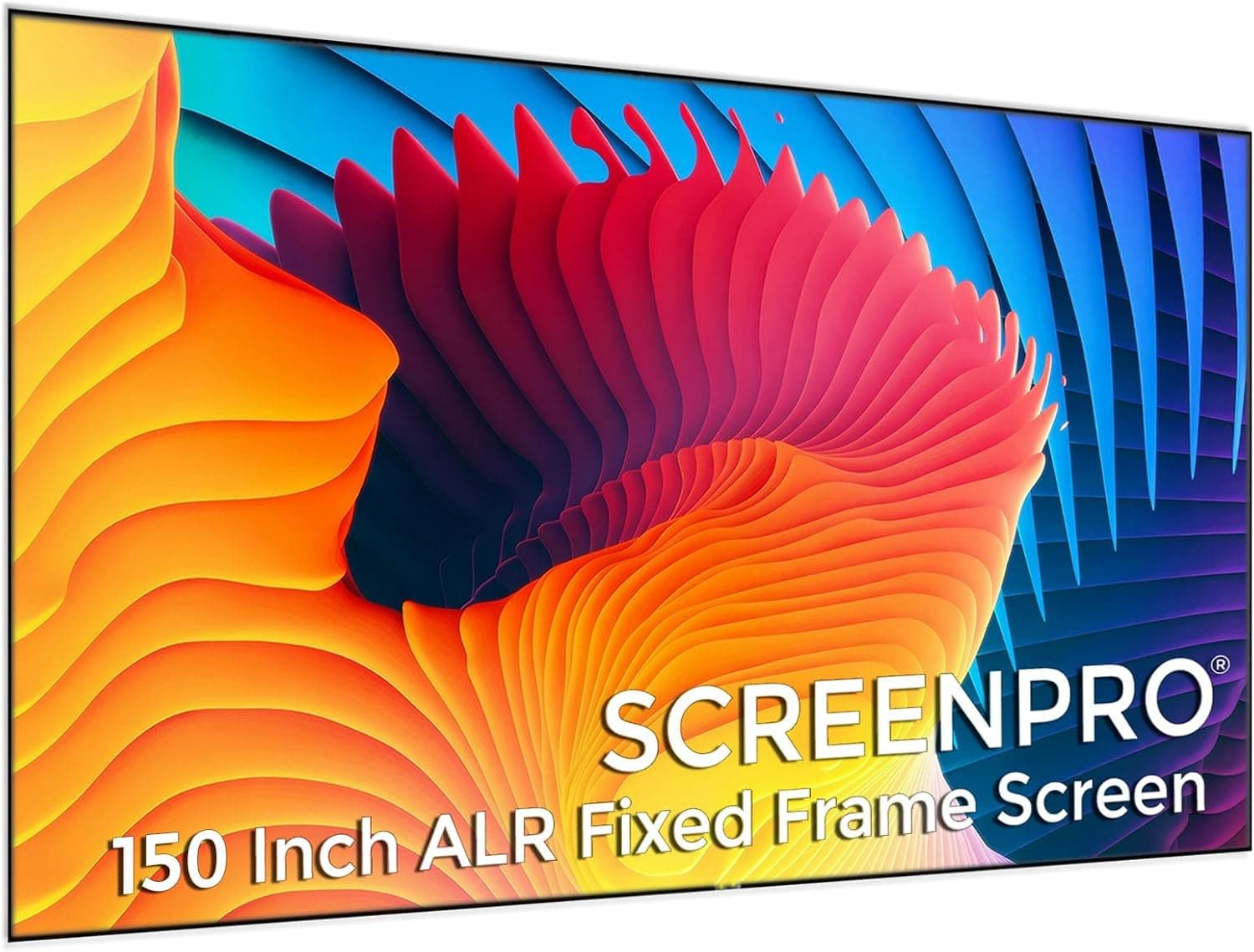
+ Thin edge free border makes the image look like it floats on the wall
From our guide: Best ALR Projector Screens

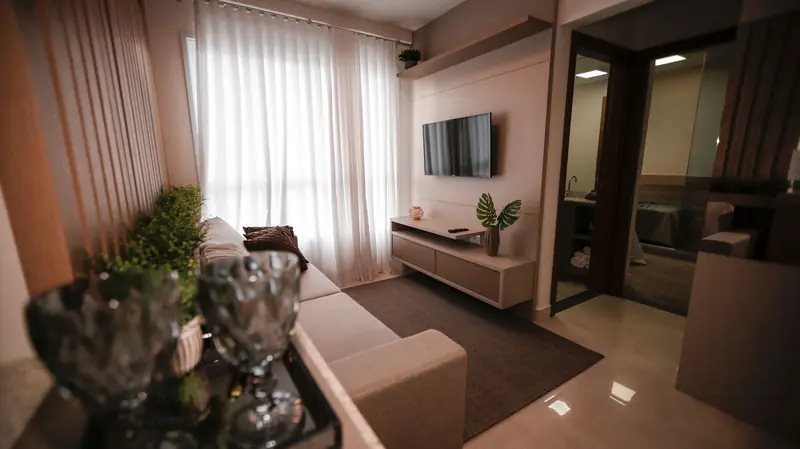
Screen size should follow viewing distance
Screen size should follow viewing distance, not ambition. In a compact room you sit closer to the display, which means a moderately sized TV can fill your field of view and feel immersive without overwhelming you. A screen that is too large in a tight space forces your eyes to dart around and can actually reduce enjoyment. Measure the distance from your seat to the wall, then pick a size that lets you take in the whole image comfortably from where you actually sit.
Short-throw and ultra short-throw projectors
If you love the idea of projection in a small room, look into short-throw or ultra short-throw projectors. These are designed to produce a large image from just a short distance away, so they can sit on a console right below the screen wall instead of needing to be mounted across the room. That solves the classic small-room problem of the projector beam being blocked by people walking through, and it keeps the image big without demanding depth you do not have.
Speaker placement: compact gear, not floor towers
Speaker placement in a small room calls for compact, well-positioned gear rather than large floor-standing towers. Bookshelf speakers or a quality soundbar paired with a subwoofer give you clean, room-filling sound without hogging floor space. Because walls are close, be mindful that speakers pushed right into corners can make bass boomy, so pull them out slightly and aim them toward your seat. A single well-placed subwoofer is usually plenty of low end for a small space.
Layout and light control tie it together
Layout and light control tie everything together. Position seating against the back wall to maximize the distance between you and the screen, and keep the path to your seat clear so the room feels calm rather than cramped. Blackout curtains or a blind on any window make a dramatic difference, and dark, matte wall colors reduce reflections that steal contrast. A small room darkens easily, which is a genuine advantage that larger spaces often struggle to match.
Lean into the intimacy a small room provides
Finally, lean into the intimacy that a small room naturally provides. Add cozy seating, soft lighting you can dim, and a few sound-absorbing touches like a rug, curtains, or a fabric wall panel to tame echo. Because the space is compact, every upgrade you make is felt strongly, so your budget stretches further here than it would in a cavernous room. Treated well, a small home theater can feel more enveloping and personal than setups many times its size.
Frequently asked questions
What size TV or screen is right for a small home theater? Whatever fills your field of view comfortably from your actual seat, measured by viewing distance rather than ambition. Too large in a tight room forces your eyes to dart around.
What projector is best for a small room? A short-throw or ultra short-throw model, which produces a large image from a short distance and sits on a console below the screen, avoiding people blocking the beam.
Should I use floor-standing speakers in a small room? Usually not necessary. Bookshelf speakers or a quality soundbar plus one subwoofer give clean, room-filling sound without hogging floor space.
How do I stop bass sounding boomy in a small room? Pull speakers and the subwoofer slightly out of corners and aim them toward your seat, since walls close to the speakers exaggerate low frequencies.
Quick answers
What is the best home theater setup for a small room?
A soundbar with a compact subwoofer or a 3.1 system, a screen sized to your seating distance and some soft furnishings to control echo. Avoid oversized speakers that overwhelm the space.
Popular right now
- Best 4K Blu-ray PlayersBuying guide
- Best Soundbar Wall MountsBuying guide
- Best 4K ProjectorsBuying guide
- Best Dolby Atmos SpeakersBuying guide
- How to Stop a Subwoofer From Humming or BuzzingArticle
- Best In-Ceiling SpeakersBuying guide
Based on the last 28 days of search and visitor data.