Acoustic Treatment Basics for a Better-Sounding Home Theater
Published How we research

Acoustic treatment is the quiet secret behind rooms that sound expensive, and it is often more impactful than upgrading speakers. Every room adds its own coloration to sound, from slap echo off bare walls to boomy buildup in corners, and treatment tames those problems so you hear more of your movie and less of your room. The good news is that a handful of well-placed panels can transform how a space sounds without turning it into a laboratory.
Products from this article
The highest-scoring picks from the buying guides this article links to. Scores are our editorial assessment, not customer ratings.
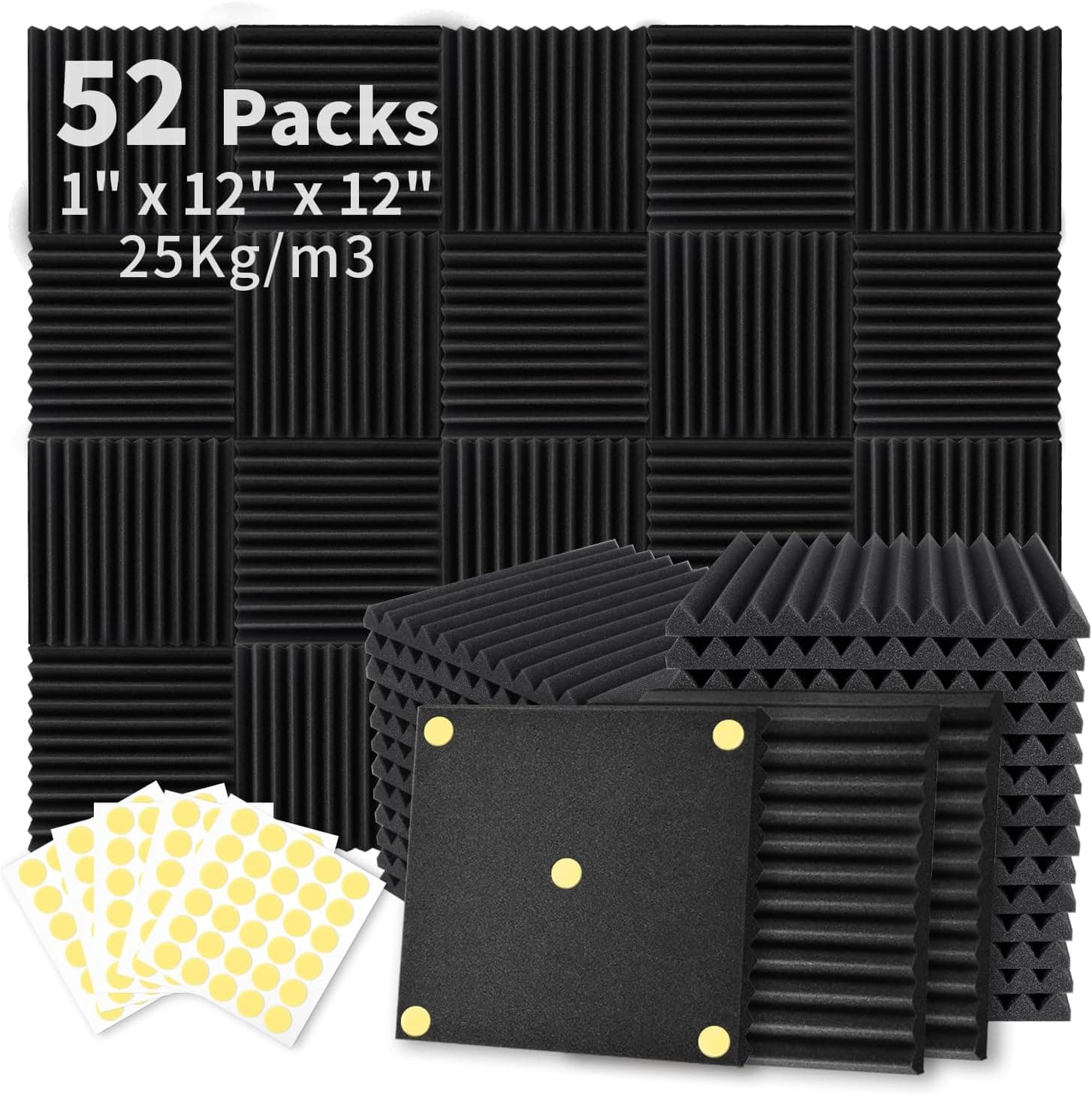
+ 300PCS double-side adhesive included for mounting
From our guide: Best Acoustic Panels
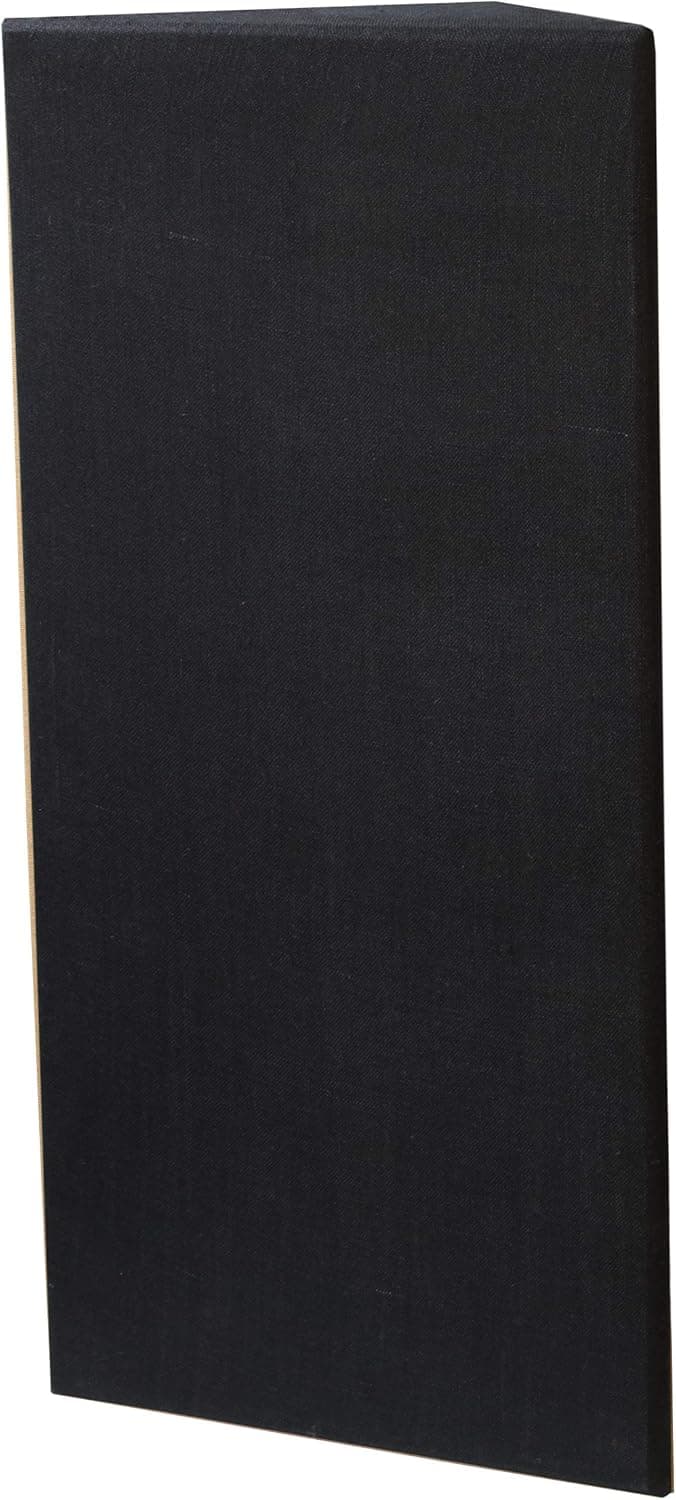
+ NRC 1.60 rating shows strong broadband absorption
From our guide: Best Bass Traps
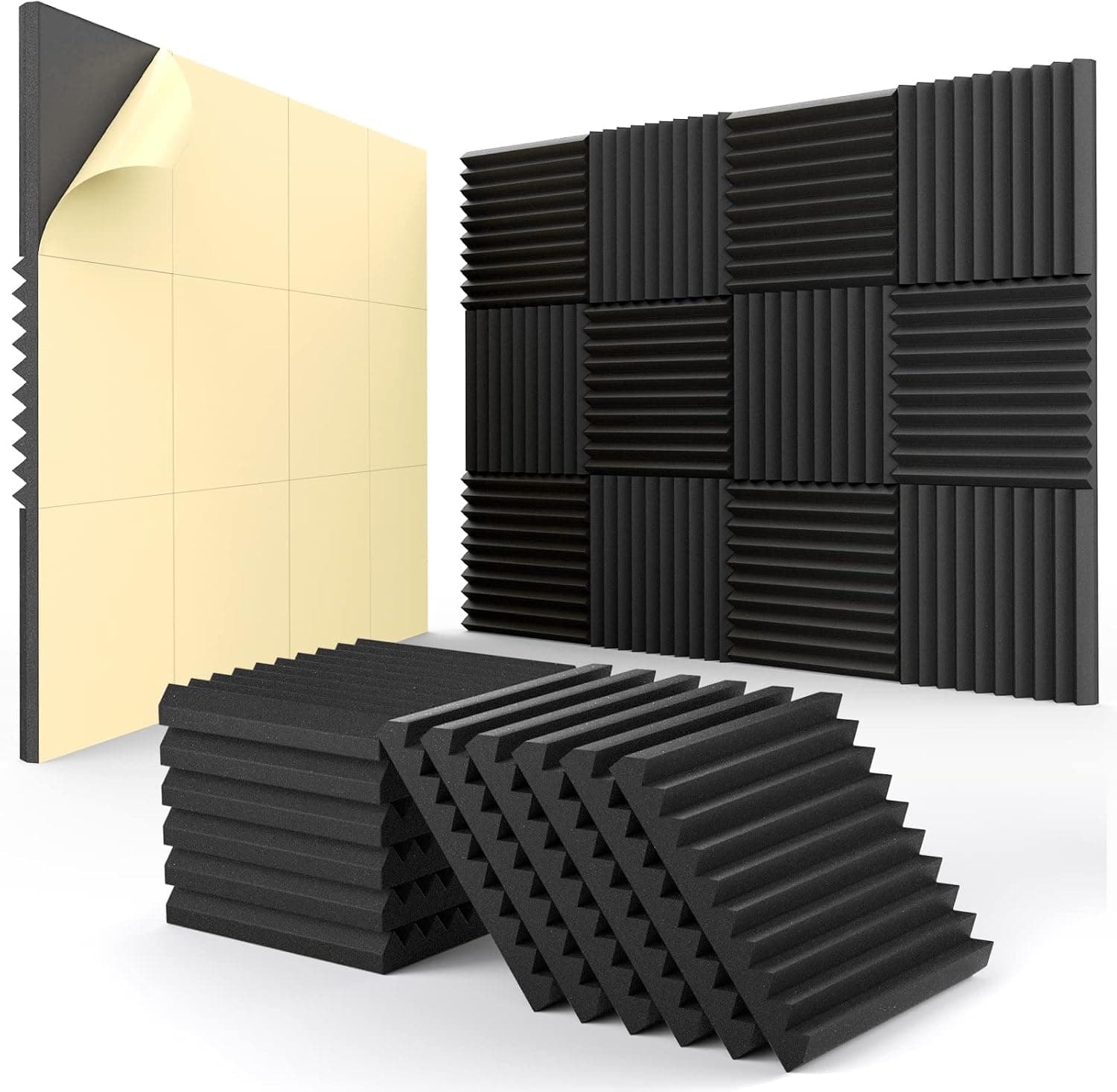
+ Self-adhesive backing saves buying separate glue or tape
From our guide: Best Soundproofing Foam Panels
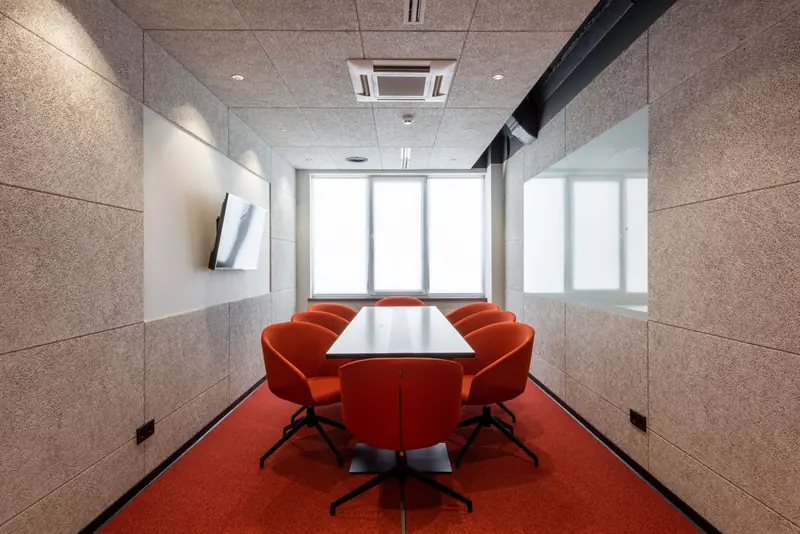
+ 2 inch thickness absorbs more midrange than thin panels
From our guide: Best Acoustic Panels
The first thing to understand is the difference between absorption and diffusion. Absorption uses soft, porous materials to soak up sound energy and reduce reflections and echo, which makes dialogue clearer and tightens the overall sound. Diffusion scatters sound in many directions to keep a room lively without harsh reflections. Most home theaters benefit from a healthy dose of absorption first, since taming reflections is usually the biggest and most audible improvement you can make.
Reflection points are the highest-priority spots to treat, because they smear the sound arriving at your ears. The key locations are the first points on the side walls, ceiling, and sometimes the floor where sound bounces off a surface on its way from the speakers to your seat. A simple way to find a side-wall reflection point is the mirror trick: have someone slide a mirror along the wall while you sit in your seat, and wherever you can see a speaker in the mirror is a spot to place an absorption panel.
Bass is a different animal and needs its own solution in the form of bass traps. Low frequencies build up in the corners of a room, where walls and ceiling meet, creating boomy, uneven bass that can drown out detail. Bass traps are thicker absorbers placed in those corners to soak up excess low-frequency energy and even out the response. Corners are the most effective place to start, and treating them often cleans up muddy bass more than any subwoofer setting can.
You do not need to cover every surface, and in fact you should not, because an overly deadened room sounds lifeless and unnatural. The aim is balance: enough absorption to control echo and clarify dialogue, some untreated or diffusive surfaces to keep the room feeling alive, and bass traps to manage the low end. Start with the front of the room and the first reflection points, listen to the improvement, then add more only if the room still sounds harsh or echoey.
If store-bought panels are not in the budget, everyday materials help more than people expect. A thick rug on a hard floor, heavy curtains over windows and even bare walls, a padded sofa, and full bookshelves all absorb and scatter sound. These soft furnishings are a legitimate first step and can carry a modest room a long way. Whether you use dedicated panels or clever furnishing, treating your room is one of the most satisfying upgrades in home theater, because it makes everything you already own sound better.
Popular right now
- Best 4K Blu-ray PlayersBuying guide
- Best Soundbar Wall MountsBuying guide
- Best 4K ProjectorsBuying guide
- Best Dolby Atmos SpeakersBuying guide
- How to Stop a Subwoofer From Humming or BuzzingArticle
- Best In-Ceiling SpeakersBuying guide
Based on the last 28 days of search and visitor data.