Klipsch R-52C Powerful Detailed Center Channel Home Speaker, Black Review (2026)
Updated September 14, 2026 · Research-based review
Our verdict
Klipsch's R-52C pairs dual 5.25 inch woofers with a Tractrix horn tweeter to give dialog more weight and clarity than compact center channels manage, and it matches naturally into an existing Reference series setup. Its wide cabinet needs real shelf space, and it still requires a receiver to actually play anything.
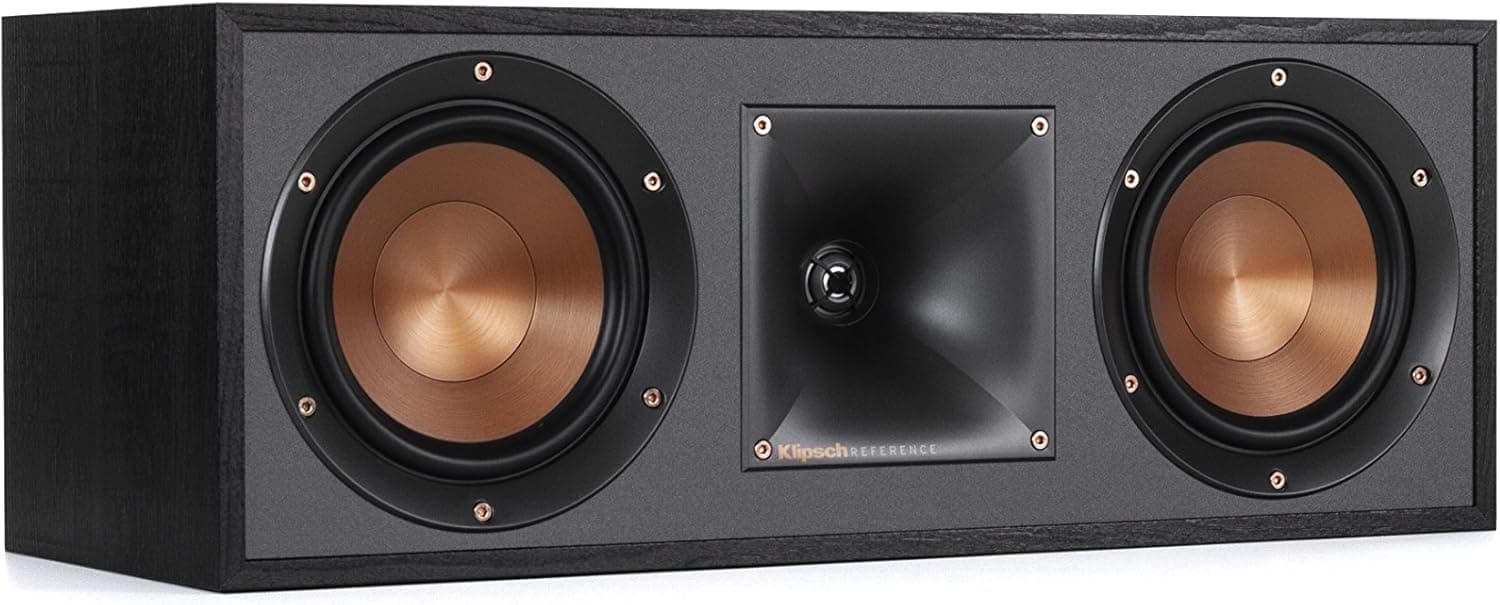
Klipsch's R-52C black center channel home speaker, a powerful and detailed dialog upgrade for Reference systems.
Price range: See on Amazon
What we liked
- + Dual woofers give voices more weight than compact centers
- + Pairs naturally with Klipsch R series bookshelf and floor speakers
- + Detailed horn tweeter keeps quiet dialog audible
Trade-offs
- - Wide shape needs enough space below or above the TV
- - Requires a receiver, so it is not a standalone upgrade
Who a dedicated center channel speaker is for
A center channel exists to carry the bulk of movie and show dialog, and the R-52C is built for anyone stepping up from a TV's built-in speakers or a basic soundbar toward a proper multi-speaker home theater, especially one already using or planning to use Klipsch's Reference series bookshelf or floor-standing speakers. It suits buyers who prioritize clear dialog above all else, since that is the center channel's main job. Anyone without an AV receiver or amplifier already in place, or without the surrounding Reference speakers to match its voicing, may want to plan the whole system before buying this one piece in isolation.
What the dual woofers and horn tweeter deliver
Inside the closed-back cabinet sit two 5.25 inch spun-copper IMG woofers alongside a 1 inch aluminum LTS tweeter loaded into a 90 by 90 degree square Tractrix horn, a combination built to add midrange weight and directivity control that a single small driver cannot match. The horn loading is the same approach used across Klipsch's higher-end speakers, and it is largely responsible for the detailed, forward dialog character the brand is known for. At 7.3 inches tall, 18.75 inches wide, and 7.6 inches deep, the cabinet needs a shelf or stand with real width, not just a narrow gap below a TV, and it weighs 13.5 pounds, enough to want a stable surface underneath it.
Placing it and living with it in a media console
The closed-back cabinet design is meant to give installers flexibility, since it does not need rear venting space the way a ported speaker might, so it can sit flush against a wall or inside a media console cubby without losing bass response the way some center channels do in tight spaces. Because it needs a receiver or amplifier to drive it, it is not a standalone upgrade the way a soundbar can be, and getting the most from it means running proper speaker wire and setting receiver channel levels correctly during setup. Owners moving up from a soundbar system typically notice the clearest difference on quiet dialog scenes, where the horn tweeter keeps speech intelligible at lower volumes.
How it compares with other center channels in this guide
Against the field here, Klipsch's own RP-450C sits at the same 8.6 overall score with a similarly detailed sound signature from the Reference Premiere line, while Polk's Signature Elite ES35 takes a slimmer form factor that may suit tighter shelf spaces better even if it gives up some of the R-52C's dialog presence. Polk's budget-friendly T30 and Klipsch's own R-25C sit a tier below on refinement, and Polk's CSi A6 rounds out the group as an older, more basic design. The R-52C's dual woofers and horn tweeter combination is what separates it from the more compact options in this list.
Verdict and who should look at a slimmer option
With a 9 out of 10 for fit for the job and an overall 8.6 out of 10, the R-52C earns a strong recommendation for anyone building or expanding a Klipsch Reference system who wants dialog clarity to match the rest of their speakers, and it pairs well with an existing receiver-based setup. Buyers with a shallow media console shelf, a smaller room, or no plans to run a full receiver-based system should look at a slimmer center channel like Polk's ES35, since the R-52C's width and its dependence on outboard amplification are real considerations before ordering it.
Frequently asked questions
Does this center channel speaker need a receiver to work?
Yes, it is a passive speaker that requires an AV receiver or amplifier with speaker wire outputs; it will not produce sound plugged directly into a TV or wall outlet.
How big is the R-52C and will it fit under my TV?
It measures 7.3 inches tall, 18.75 inches wide, and 7.6 inches deep and weighs 13.5 pounds, so it needs a shelf or console cubby with real width rather than a narrow gap.
Does it match well with other Klipsch Reference speakers?
Yes, it is designed as part of the Reference series and shares the same horn-loaded tweeter voicing as other R series bookshelf and floor-standing models for a consistent sound across channels.
What makes the horn tweeter different from a standard dome tweeter?
The 90 by 90 degree Tractrix horn controls how sound disperses from the tweeter, which Klipsch uses to add detail and directivity that helps dialog stay clear and forward sounding.
Prices change often, so check the current price and availability on Amazon.
Check price on AmazonHome Theater Setup Hub may earn a commission from the link above.