Dolby Atmos Setup Guide
As an Amazon Associate I earn from qualifying purchases.
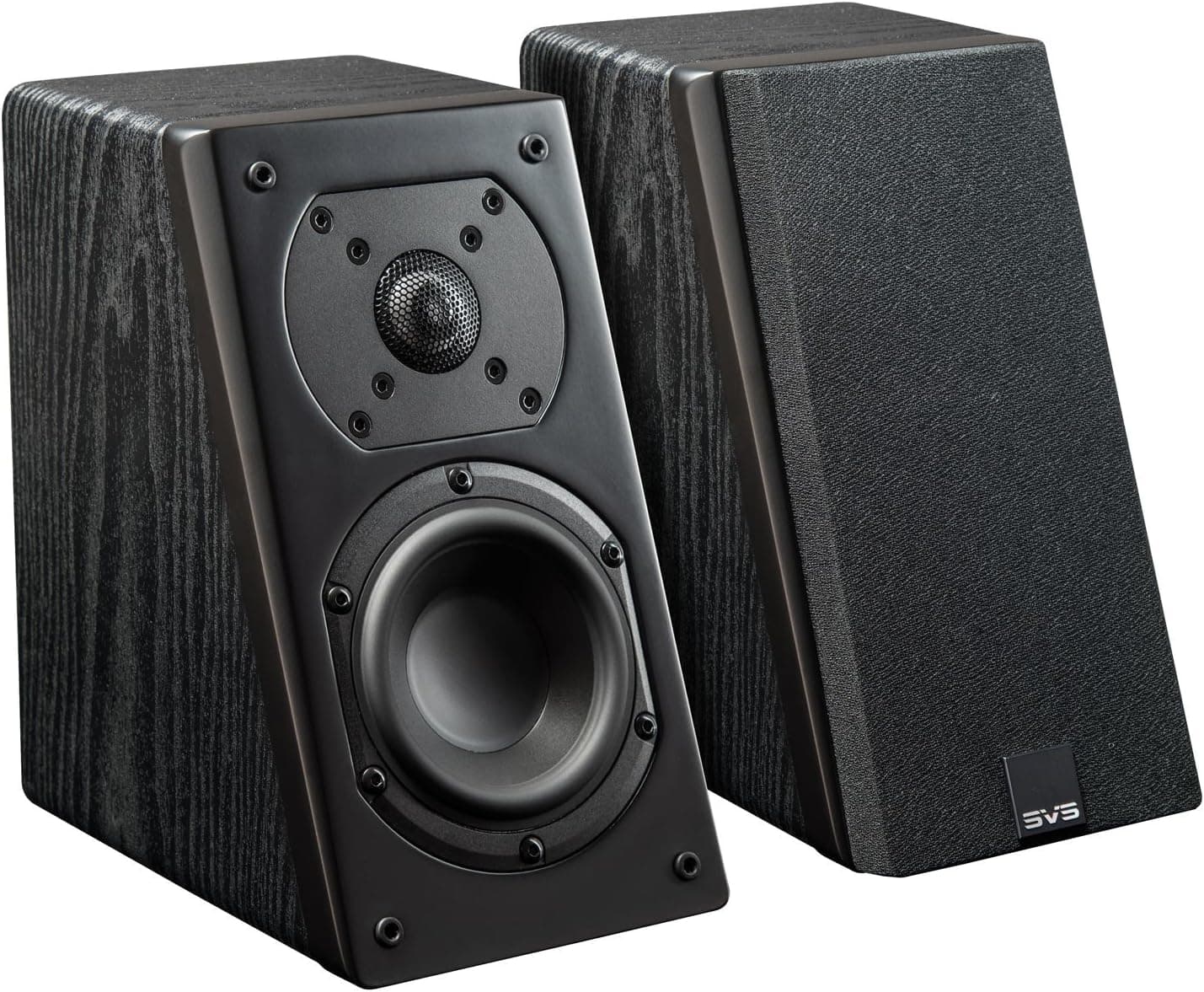
Dolby Atmos is the upgrade that finally adds a sense of height to home theater sound, letting effects move above you as well as around you. Where traditional surround places speakers in a ring at ear level, Atmos adds overhead channels so a helicopter can pass over your head or rain can seem to fall from the ceiling. Setting it up is more approachable than it sounds, and there are a couple of paths depending on your room and willingness to install speakers.
The heart of Atmos is the height channel, and there are two common ways to create it. The first and most direct is installing in-ceiling or ceiling-mounted speakers above the listening area, which fire sound straight down for the most convincing overhead effect. The second is using upward-firing speakers, either standalone modules or ones built into certain floor-standing speakers, which bounce sound off your ceiling to simulate height. Both work, and the best choice depends on whether you can or want to put speakers overhead.
Your receiver or processor must support Dolby Atmos, since it decodes the object-based audio and steers sounds to the correct height speakers. Atmos systems are described with a third number, so a 5.1.2 layout means five surround speakers, one subwoofer, and two height channels, while 5.1.4 adds a second pair of height speakers for smoother overhead movement. Start by confirming your receiver has enough channels for the configuration you want, then plan speaker count around that capability.
Placement of the height speakers is what makes or breaks the effect. For ceiling speakers, a common approach is two pairs positioned slightly in front of and slightly behind the main listening position, spaced to roughly mirror the width of your front speakers. For upward-firing modules, place them on or near your front and surround speakers, aimed up at the ceiling, and make sure the ceiling is flat and reflective enough to bounce the sound back down. Symmetry between left and right keeps the overhead image balanced.
Ceiling height and surface matter more than beginners expect. Upward-firing speakers rely on a fairly flat, hard ceiling of a reasonable height to reflect sound effectively, so vaulted, angled, or heavily absorptive ceilings can weaken the effect and may push you toward dedicated overhead speakers instead. If you are in this situation, in-ceiling speakers sidestep the reflection problem entirely by placing the sound source right where you want it, at the cost of a more involved installation.
Once everything is connected, run your receiver's automatic calibration so it measures and balances the new height speakers along with the rest of the system, then confirm the source is actually sending an Atmos signal. Look for the Atmos indicator on your receiver when playing supported content from a streaming app or disc that offers it. Cue up a well-known scene with overhead action, listen for sound moving above you, and make small placement or level tweaks until the height layer blends seamlessly into the whole soundfield.